

Industry News
HHS Unveils Blueprint to Fast-Track Early Drug Research, Aims to Counter China's Clinical Trial Edge
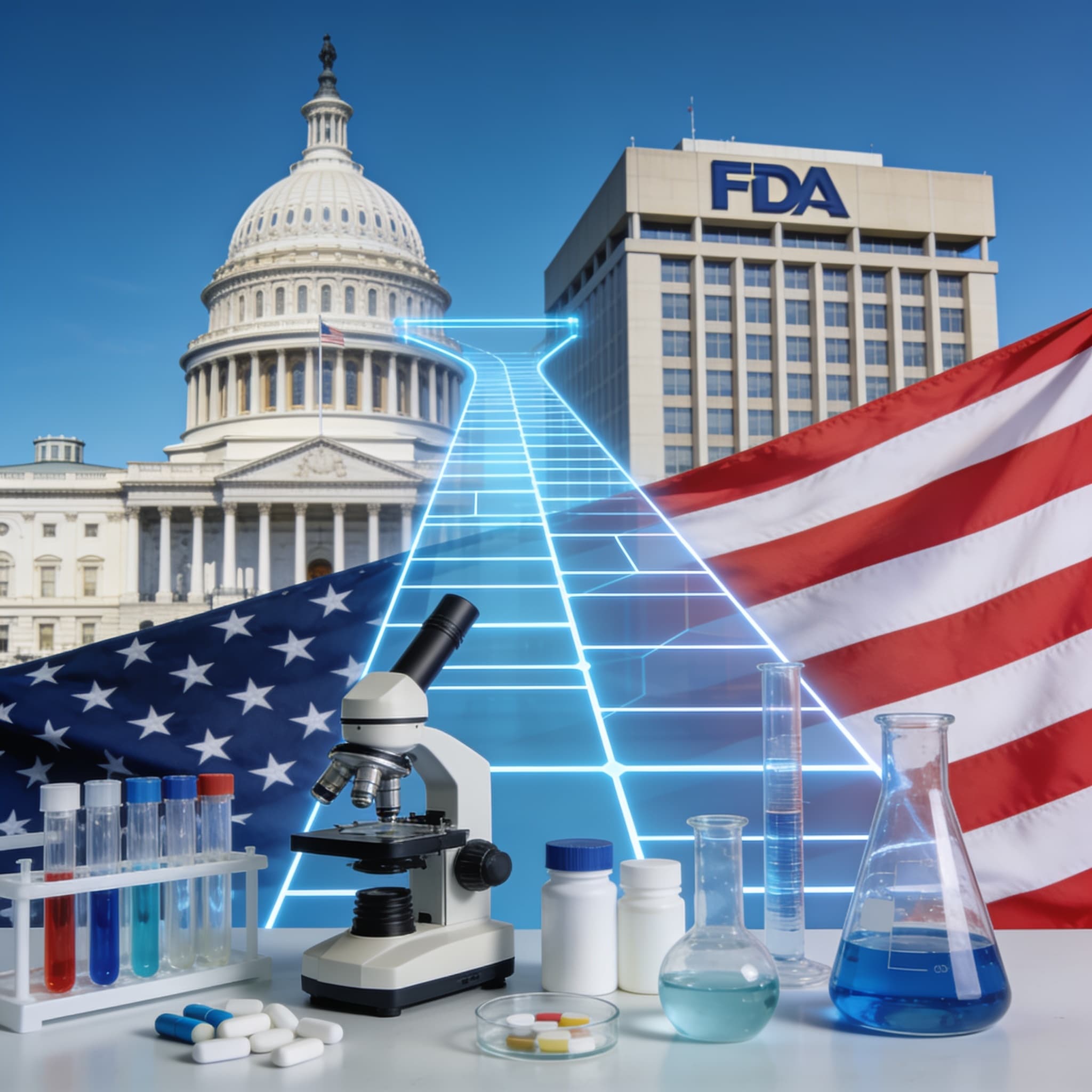
The U.S. Department of Health and Human Services (HHS) published a comprehensive blueprint on June 23, 2026, designed to fast-track early-stage drug research and clinical trials in the United States. The reform package represents the federal government's most direct response yet to China's rapidly growing dominance in pharmaceutical innovation, where a streamlined regulatory environment enables companies to move from therapeutic molecule discovery to first-in-human clinical trials in as few as 18 months.
The blueprint targets a critical pain point in the U.S. drug development pipeline: the Investigational New Drug (IND) application process. Under the new reforms, the Food and Drug Administration (FDA) will explicitly specify what data is required before an IND filing, eliminating redundant documentation requirements for toxicology studies and Chemistry, Manufacturing, and Controls (CMC) submissions. This change alone could shave months off the timeline for companies preparing to enter clinical development.
Beyond IND streamlining, the FDA is introducing several structural innovations. Trial protocols will become more flexible, allowing drug developers to make adjustments without filing complex amendments that previously caused weeks of delays. A new pilot program will create a network of research institutions that developers can consult during IND preparation, and a rolling submission platform will enable the FDA to review institutional recommendations and provide timely guidance throughout the process.
Former FDA Commissioner Scott Gottlieb publicly praised the proposal, noting that the reforms address long-standing industry complaints about bureaucratic overhead that has driven many small and mid-sized biotechs to conduct their early clinical work overseas. The blueprint also includes measures to expand patient access to clinical trials within the United States.
The competitive pressure from China is substantial and growing. According to industry data, AstraZeneca, Pfizer, and Bristol Myers Squibb have each allocated more than $16 billion to collaborations with Chinese drugmakers since the start of 2025, surpassing all of their pharmaceutical peers over the same timeframe. Chinese biotech companies benefit from heavy government investment in life sciences infrastructure, a large treatment-naive patient population for clinical enrollment, and a regulatory framework that the National Medical Products Administration (NMPA) has deliberately optimized for speed.
For API and pharmaceutical intermediates suppliers, these reforms carry significant implications. As more early-stage drug development remains in the United States rather than migrating to China, domestic and allied-nation supply chains for active pharmaceutical ingredients and key intermediates stand to benefit. The CMC requirements, even in their streamlined form, still mandate rigorous quality documentation, creating opportunities for suppliers who can provide regulatory-ready原料 and intermediates with complete DMF (Drug Master File) packages.
The HHS blueprint also signals a broader policy direction. At the 2026 BIO International Convention, board members met directly with U.S. national security and health officials to discuss the implications of China's biotech rise. The BIO Secure Act discussions and ongoing trade policy negotiations suggest that pharmaceutical supply chain security will remain a top-tier policy priority through at least 2028.
However, the reforms face implementation challenges. The FDA has been operating with reduced staffing following recent organizational changes, and rebuilding institutional capacity will take time. Acting FDA leaders have publicly acknowledged the need to rebuild staff morale and industry trust after a period of significant internal disruption. The success of the blueprint will depend largely on whether the agency can execute these process improvements while maintaining its safety and efficacy standards.
For global pharmaceutical supply chain participants, the message is clear: the United States is investing in recapturing its position as the preferred venue for early drug development. Companies across the API, intermediates, and finished dosage form value chain should monitor these regulatory changes closely, as they will reshape sourcing decisions and partnership structures over the coming 24 to 36 months.
How can we help you?
Receive insights into the latest events and regulatory updates
Sent directly to your email
Get industry insights and Unibest news here
Contact Us →