
Industry News
Novo Nordisk and Orbis Forge $1.4 Billion Deal for Oral Macrocyclic Peptide Drugs, Signaling New Era for Cardiometabolic Manufacturing
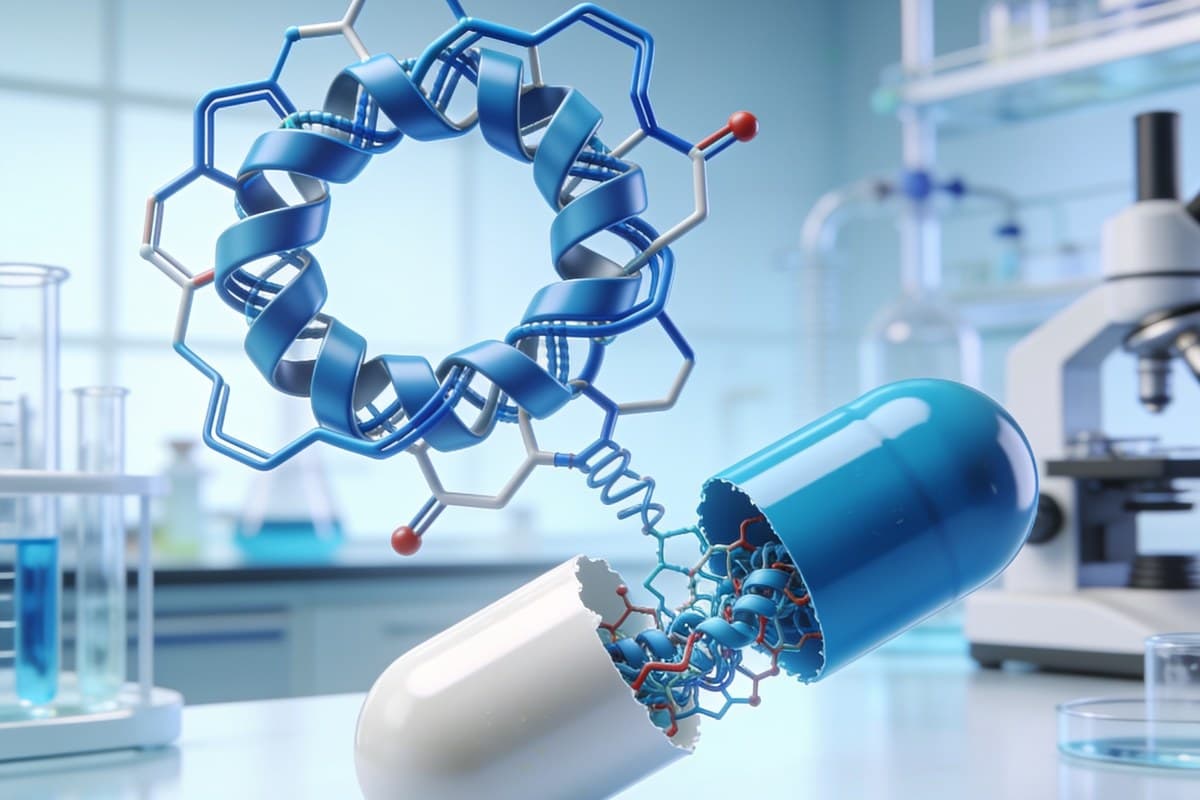
Novo Nordisk has entered a potentially $1.4 billion collaboration with Lilly-backed biotech Orbis Medicines to develop macrocyclic peptide drugs for cardiometabolic diseases, signaling a major bet on oral peptide delivery technology that could reshape manufacturing demand across the pharmaceutical supply chain. The deal, announced this week, pairs one of the world's largest peptide drug manufacturers with a startup specializing in macrocycle chemistry, a class of molecules that bridges the gap between small-molecule pills and injectable biologics.
Macrocycles represent a distinct category of therapeutics that combine structural features of both small molecules and peptides. Unlike traditional linear peptides that are rapidly degraded in the gastrointestinal tract, macrocyclic compounds are designed with constrained ring structures that confer enhanced oral bioavailability, metabolic stability, and target selectivity. For Novo Nordisk, which already dominates the injectable GLP-1 receptor agonist market with semaglutide products, the Orbis partnership offers a potential pathway to oral formulations of next-generation cardiometabolic therapies without the formulation complexity of permeation enhancers used in oral semaglutide tablets.
The collaboration carries significant implications for active pharmaceutical ingredient manufacturers and contract development organizations. Macrocyclic peptides require specialized synthetic chemistry capabilities that differ substantially from both conventional small-molecule API production and standard linear peptide synthesis. Manufacturing these constrained-ring molecules demands expertise in solid-phase peptide synthesis, cyclization chemistry, and advanced purification techniques including preparative chromatography. CDMOs with established peptide manufacturing infrastructure are well-positioned to capture this growing demand, though they may need to invest in new process development capabilities specific to macrocyclic architectures.
For API suppliers, the deal underscores the accelerating convergence between peptide and small-molecule drug development. Traditional peptide APIs are produced through either recombinant expression systems or chemical synthesis using Fmoc or Boc protection strategies. Macrocyclic peptides often require hybrid approaches, combining automated solid-phase synthesis with solution-phase cyclization steps, creating complex multi-step manufacturing workflows. Suppliers of specialty amino acids, coupling reagents, and protecting groups stand to benefit from increased demand as macrocyclic programs advance through clinical development.
Novo Nordisk's investment in macrocyclic technology builds on the company's existing leadership in peptide therapeutics and its strategic commitment to oral drug delivery. The Danish pharmaceutical giant has invested billions in expanding peptide manufacturing capacity, including major facility expansions in Denmark and the United States, to meet surging demand for semaglutide-based products including Ozempic and Wegovy. The Orbis partnership extends this peptide-centric strategy into a new chemical space, potentially enabling the company to develop oral versions of targets that have proven difficult to address with conventional peptide or small-molecule approaches. Industry analysts note that macrocyclic peptides could unlock therapeutic areas beyond metabolic disease, including inflammation and fibrosis, broadening the commercial opportunity for both Novo and its manufacturing partners.
The Orbis partnership also reflects a broader industry trend toward oral biologics that is reshaping drug delivery technology investments. The oral peptide market has been constrained by the fundamental challenge of gastrointestinal absorption, with most peptide drugs requiring injection due to their molecular size and susceptibility to enzymatic degradation. Novo Nordisk's own oral semaglutide, marketed as Rybelsus, overcame this barrier using sodium N-[8-(2-hydroxybenzoyl)amino] caprylate as a permeation enhancer, but the formulation imposes strict dosing conditions including fasting requirements. Macrocyclic chemistry offers an alternative approach by engineering the molecule itself to survive the gut environment.
The $1.4 billion deal structure, combining upfront payments with milestone-based compensation, reflects the high-risk high-reward nature of oral peptide development. Orbis, which counts Eli Lilly among its investors, has built its platform around the premise that macrocyclic compounds can achieve drug-like oral exposure for targets previously considered undruggable by oral routes. Novo Nordisk brings deep expertise in peptide manufacturing scale-up, clinical development, and commercial launch capabilities that are essential for translating macrocyclic candidates into marketed products.
The competitive landscape for oral peptide drugs is intensifying rapidly, with multiple pharmaceutical companies pursuing different technological approaches to the same fundamental challenge. Pfizer, AstraZeneca, and Roche have all made significant investments in oral peptide delivery platforms, ranging from permeation enhancer systems to nanoparticle formulations and gut-restricted peptides. Novo Nordisk's macrocyclic approach through Orbis represents a distinct strategy that could offer advantages in terms of drug-like properties and manufacturing scalability. For API suppliers and CDMOs, this multi-front competition means sustained and potentially accelerating demand for peptide manufacturing capabilities, with each technological approach creating specific requirements for raw materials, synthesis equipment, and analytical expertise.
Manufacturing scale-up remains a critical challenge for macrocyclic peptide programs moving toward commercialization. Unlike small molecules that can be produced in conventional chemical reactors at multi-ton scale, macrocyclic peptides typically require batch sizes measured in kilograms, with synthesis cycles spanning multiple weeks. The purification burden is also substantially higher, as cyclization reactions generate linear byproducts and epimeric impurities that must be removed to meet pharmaceutical-grade specifications. These manufacturing realities suggest sustained demand for specialized CDMO services and high-purity peptide-grade solvents and reagents.
The deal positions Novo Nordisk to defend its leadership in cardiometabolic therapeutics against intensifying competition from oral GLP-1 programs at Pfizer, Viking Therapeutics, and other competitors. By investing in macrocyclic chemistry, Novo is diversifying its oral drug delivery toolkit beyond permeation enhancer-dependent formulations. For the broader pharmaceutical supply chain, the partnership signals that macrocyclic peptides are transitioning from academic curiosity to commercial reality, with manufacturing implications that will ripple across API suppliers, CDMOs, and drug delivery technology providers for years to come.
How can we help you?
Receive insights into the latest events and regulatory updates
Sent directly to your email
Get industry insights and Unibest news here
Contact Us →