

Company News
Viatris Acquires Pacira BioSciences for $1.65B, Expanding Non-Opioid Pain Portfolio and Reshaping Supply Chain Demand
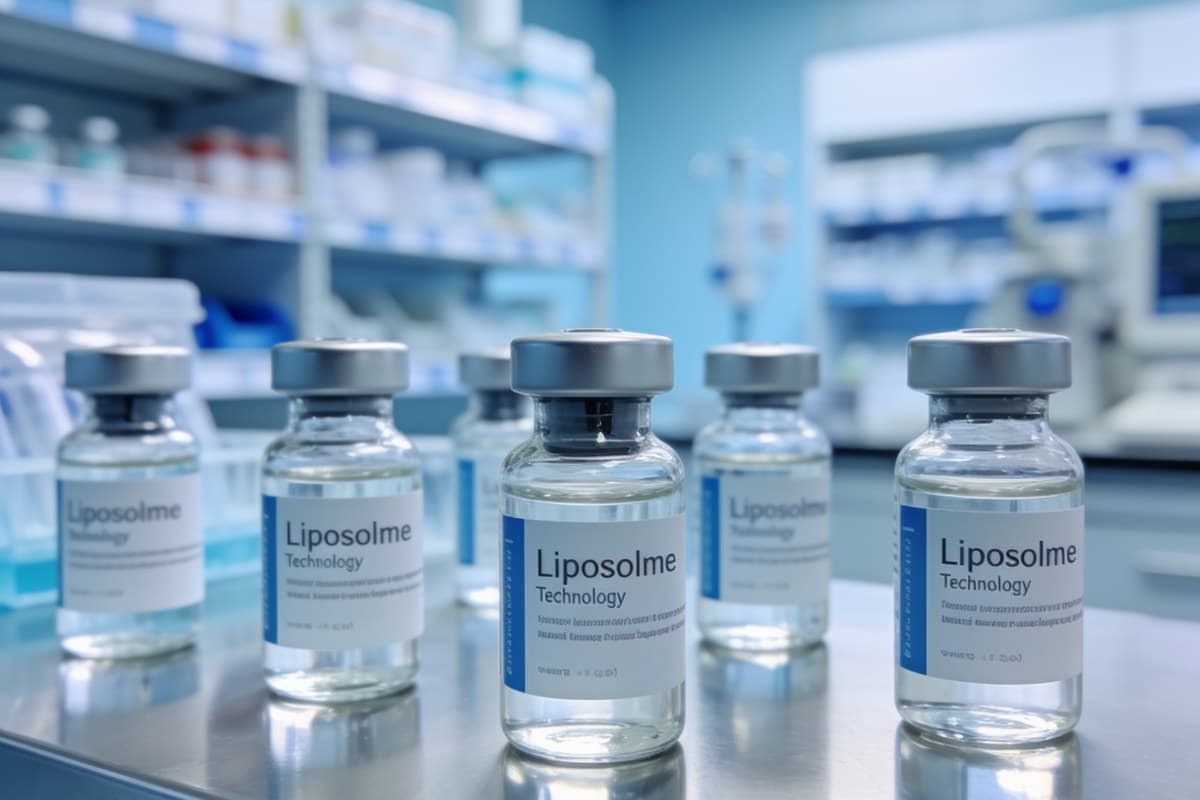
Viatris has announced a definitive agreement to acquire Pacira BioSciences for approximately $1.65 billion in cash, marking one of the largest specialty pharma transactions of 2026 and signaling a decisive industry shift toward non-opioid pain management. The deal, which brings Pacira's flagship products Exparel (bupivacaine liposome injectable suspension) and Zilretta (triamcinolone acetonide extended-release injectable suspension) under the Viatris umbrella, reflects a broader pharmaceutical landscape increasingly focused on alternatives to traditional opioid-based pain therapies. For API suppliers and contract manufacturers, the transaction underscores growing demand for complex formulations and specialized drug delivery technologies that underpin next-generation analgesics.
Exparel, Pacira's lead product, is a multivesicular liposome formulation of bupivacaine that provides sustained post-surgical analgesia for up to 72 hours after a single dose. The product has become a cornerstone of multimodal pain management protocols across hospitals and surgical centers in the United States, generating over $700 million in annual revenue. The liposomal encapsulation technology requires specialized manufacturing capabilities, including precise control of lipid composition, vesicle size distribution, and drug loading efficiency. API suppliers serving the bupivacaine supply chain, as well as lipid excipient manufacturers, stand to benefit from the expanded commercial reach that Viatris's global distribution network can provide.
Zilretta, the second key asset in the acquisition, employs PLGA (poly(lactic-co-glycolic acid)) microsphere technology to deliver triamcinolone acetonide in an extended-release formulation for osteoarthritis knee pain. The microsphere manufacturing process demands tight control of polymer molecular weight, particle size, and drug encapsulation parameters, creating significant barriers to generic entry. This extended-release approach addresses a critical unmet need in chronic pain management by providing sustained local analgesia while minimizing systemic exposure and the associated risks of corticosteroid side effects.
For pharmaceutical suppliers and CDMOs, the Viatris-Pacira combination creates a new category of demand for specialized liposomal and microsphere manufacturing services. The production of liposomal drug products like Exparel requires clean room facilities with controlled humidity and temperature, specialized homogenization equipment, and rigorous in-process testing to ensure consistent vesicle size distribution and drug encapsulation rates. Few contract manufacturers globally possess the validated infrastructure and technical expertise to produce these complex formulations at commercial scale, making qualified liposomal CDMOs a critical bottleneck in the supply chain for non-opioid injectable analgesics.
The strategic rationale for Viatris extends beyond the immediate product portfolio. The company, which has been actively reshaping its business following the Mylan-Upjohn merger, is positioning itself as a leader in the specialty and branded pharmaceutical segment. Pacira's non-opioid pain franchise complements Viatris's existing generics and biosimilars business, providing higher-margin branded revenue streams while leveraging the company's established global commercial infrastructure. Industry analysts note that the $1.65 billion price tag, representing roughly 2.3 times Pacira's trailing twelve-month revenue, reflects the premium that acquirers are willing to pay for differentiated pain assets in the current regulatory environment.
From a supply chain perspective, the acquisition carries important implications for API and excipient suppliers. Bupivacaine base, the active ingredient in Exparel, is sourced from a limited number of qualified manufacturers globally. The increased production volumes anticipated under Viatris ownership may require Pacira's supply chain team to qualify additional API sources, creating opportunities for manufacturers in Asia and other regions. Similarly, the specialized lipid excipients used in the liposomal formulation, including DEPC (dierucoylphosphatidylcholine), DPPG (dipalmitoylphosphatidylglycerol), and cholesterol, are produced by a small number of specialized suppliers, making this a high-value niche within the pharmaceutical raw materials market.
Patient advocacy groups and hospital systems have increasingly endorsed multimodal analgesia protocols that minimize or eliminate opioid use in surgical recovery. Major hospital networks, including the US Department of Veterans Affairs and leading academic medical centers, have adopted Exparel as a standard component of their opioid-sparing surgical pathways. This institutional adoption, combined with growing payer willingness to reimburse non-opioid alternatives, has created a virtuous cycle of demand that the Viatris acquisition is designed to capitalize on. For API suppliers, this trend translates into predictable, growing demand for bupivacaine and related intermediates, with volumes expected to increase as new surgical indications are approved and hospital adoption deepens across both US and international markets.
The non-opioid pain management sector has attracted substantial investment and regulatory attention in recent years, driven by the ongoing opioid crisis in the United States and tightening prescribing guidelines worldwide. The FDA and other regulatory agencies have actively encouraged the development and adoption of non-addictive pain therapies, creating a favorable environment for products like Exparel and Zilretta. For CDMOs specializing in complex formulations, the growing pipeline of non-opioid analgesics, including liposomal formulations, extended-release injectables, and novel drug delivery systems, represents a significant business opportunity as pharmaceutical companies seek partners with the technical expertise to manufacture these challenging products.
The transaction also reflects a broader trend of large pharmaceutical companies acquiring specialty assets to offset patent cliffs and generic erosion in their legacy portfolios. Viatris, which has faced pricing pressure in its global generics business, is diversifying into higher-value therapeutic areas where manufacturing complexity and formulation expertise create sustainable competitive advantages. This strategy mirrors moves by peers such as Pfizer's acquisition of Arena Pharmaceuticals for its pain pipeline and Johnson & Johnson's continued investment in non-opioid surgical pain solutions. For API suppliers, the consolidation of pain management assets under well-capitalized acquirers like Viatris suggests stable and potentially growing demand for the raw materials and intermediates that underpin these specialized formulations.
Looking ahead, the combined Viatris-Pacira entity is expected to pursue label expansions and new indications for both Exparel and Zilretta, potentially driving additional API demand. Pacira's development pipeline includes investigations of Exparel in nerve block procedures and pediatric surgical settings, while Zilretta is being studied for additional joint indications. The acquisition is subject to customary regulatory approvals and is expected to close in the fourth quarter of 2026. For pharmaceutical ingredient suppliers and contract development and manufacturing organizations, the deal signals continued robust demand for the specialized raw materials, excipients, and manufacturing services that enable the next generation of non-opioid pain therapeutics.
How can we help you?
Receive insights into the latest events and regulatory updates
Sent directly to your email
Get industry insights and Unibest news here
Contact Us →