

Industry News
FDA Pilot Program to Accelerate First-in-Human Trials Gains Input From Amgen, Academic Centers, Signaling Shift in Clinical Manufacturing Demand
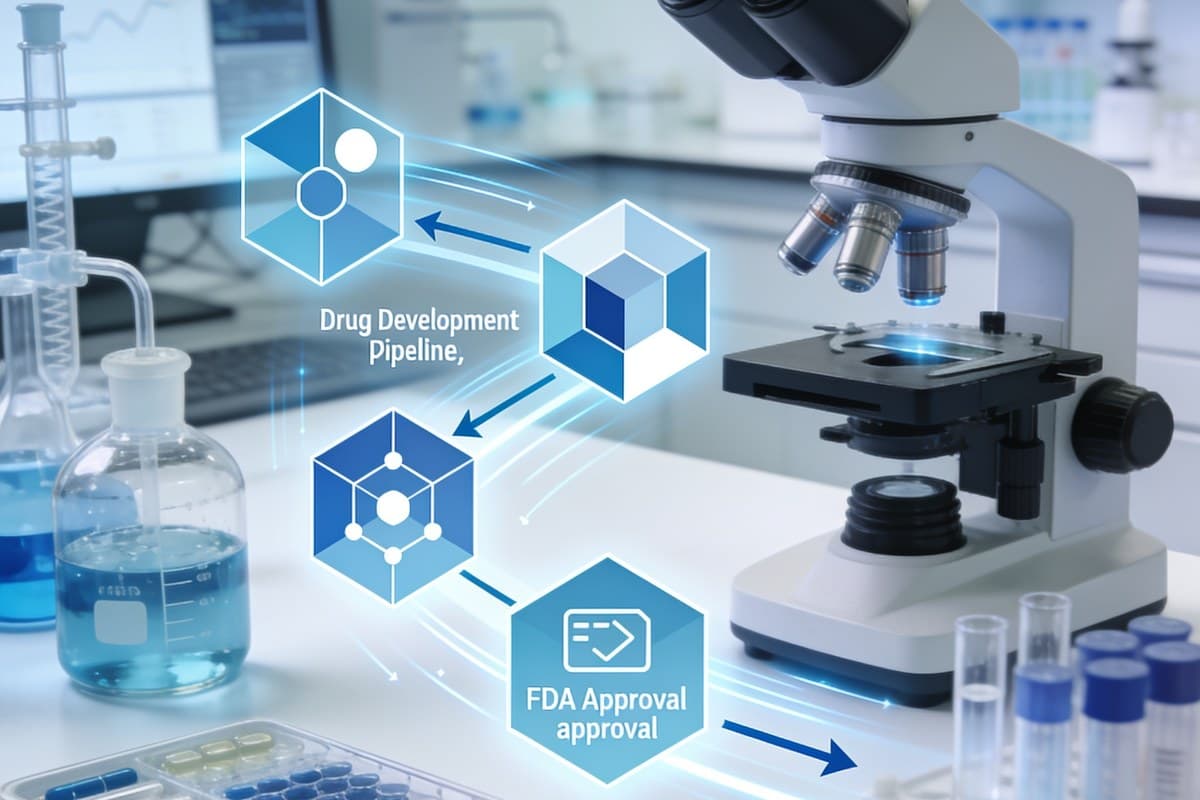
The FDA is developing a new pilot program designed to accelerate first-in-human clinical trials by allowing qualified research institutions to play a larger role in early-stage drug development, with input from major pharmaceutical companies including Amgen and leading academic medical centers such as Memorial Sloan Kettering and Cleveland Clinic. The initiative, which aims to streamline Investigational New Drug submissions and reduce the time from laboratory discovery to human testing, has significant implications for the pharmaceutical supply chain, CDMO sector, and API manufacturing partners.
Under the proposed framework, qualified research institutions, or QRIs, would be authorized to take on expanded responsibilities in the early clinical trial process, potentially reducing the regulatory burden on pharmaceutical sponsors and shortening the timeline between preclinical proof of concept and first-in-human dosing. The pilot program addresses a longstanding bottleneck in drug development: the complex and time-consuming IND application process that can delay the start of clinical trials by months or even years. By distributing oversight responsibilities more broadly across qualified institutions, the FDA aims to maintain rigorous safety standards while enabling faster translation of promising drug candidates into human testing.
For pharmaceutical manufacturers and CDMOs, the implications of this pilot program are far-reaching. If early-stage clinical trials can be initiated more quickly, the demand for clinical-stage drug substance and drug product manufacturing will accelerate correspondingly. CDMOs specializing in small-scale GMP production, clinical trial supply manufacturing, and rapid-turn API synthesis could see increased demand as more drug candidates move into human testing on compressed timelines. The program effectively raises the throughput of the drug development pipeline, creating more opportunities for manufacturing partners at every stage from first-in-human through pivotal trials.
Amgen's involvement in shaping the pilot program is particularly significant given the company's position as one of the world's largest biopharmaceutical manufacturers. Amgen has publicly advocated for regulatory modernization that would allow academic medical centers to serve as more active partners in early drug development, arguing that the current system places excessive administrative burden on industry sponsors. The company's participation in the QRI framework suggests that major pharmaceutical manufacturers view this as a practical pathway to accelerating their own pipelines, not merely an academic exercise in regulatory reform.
The academic medical centers participating in the pilot, including Memorial Sloan Kettering and Cleveland Clinic, bring deep expertise in clinical trial conduct and patient recruitment. Their involvement in the QRI framework could create new demand for specialized clinical trial manufacturing services, including the production of investigational drug products in formats suitable for hospital-based administration. This represents an expansion of the traditional CDMO customer base beyond pharmaceutical companies to include academic medical centers acting as independent sponsors of early-stage trials.
One of the key issues under discussion in the pilot program is the question of conflicts of interest when academic institutions take on expanded roles in drug development. The FDA and participating stakeholders are working to establish clear guidelines that balance the need for rapid drug advancement with robust safety oversight. For the pharmaceutical supply chain, the resolution of these governance questions will determine the pace at which the program expands and the volume of manufacturing demand it ultimately generates. Clear, workable conflict-of-interest rules could unlock a wave of new early-stage drug programs requiring clinical manufacturing support.
The pilot program also reflects a broader competitive pressure in global drug development. China and Australia have emerged as attractive venues for first-in-human trials due to faster regulatory timelines and lower costs, and the FDA's initiative is partly a response to the growing trend of US pharmaceutical companies conducting early-stage clinical work overseas. By streamlining the domestic IND process, the program aims to keep more early-stage drug development within the United States, which would maintain and potentially increase domestic demand for API manufacturing, clinical trial supply production, and GMP analytical services.
For API and intermediates suppliers, the acceleration of early-stage clinical trials means more demand for small-batch, high-purity drug substance production. First-in-human studies typically require only milligram to gram quantities of active pharmaceutical ingredient, but the quality standards are exacting. Suppliers capable of producing GMP-grade API at small scale with rapid turnaround times will be well-positioned to capture this growing segment of the market. The pilot program could also drive demand for specialized analytical testing services, as more drug candidates enter human testing and require release testing, stability studies, and characterization analyses.
The FDA's QRI pilot program represents a structural shift in how early drug development is organized in the United States. By empowering academic medical centers to take on greater responsibility and by simplifying the IND submission process, the program has the potential to significantly increase the number of drug candidates entering human testing each year. For pharmaceutical suppliers, CDMOs, and API manufacturers, this translates directly into a larger pipeline of clinical-stage programs requiring manufacturing support, creating sustained demand growth across the early-stage drug development supply chain.
How can we help you?
Receive insights into the latest events and regulatory updates
Sent directly to your email
Get industry insights and Unibest news here
Contact Us →