
Industry News
Jazz Pharmaceuticals' Ziihera Wins FDA Approval for Frontline HER2-Positive Gastric Cancer, Driving Bispecific Antibody Manufacturing Demand
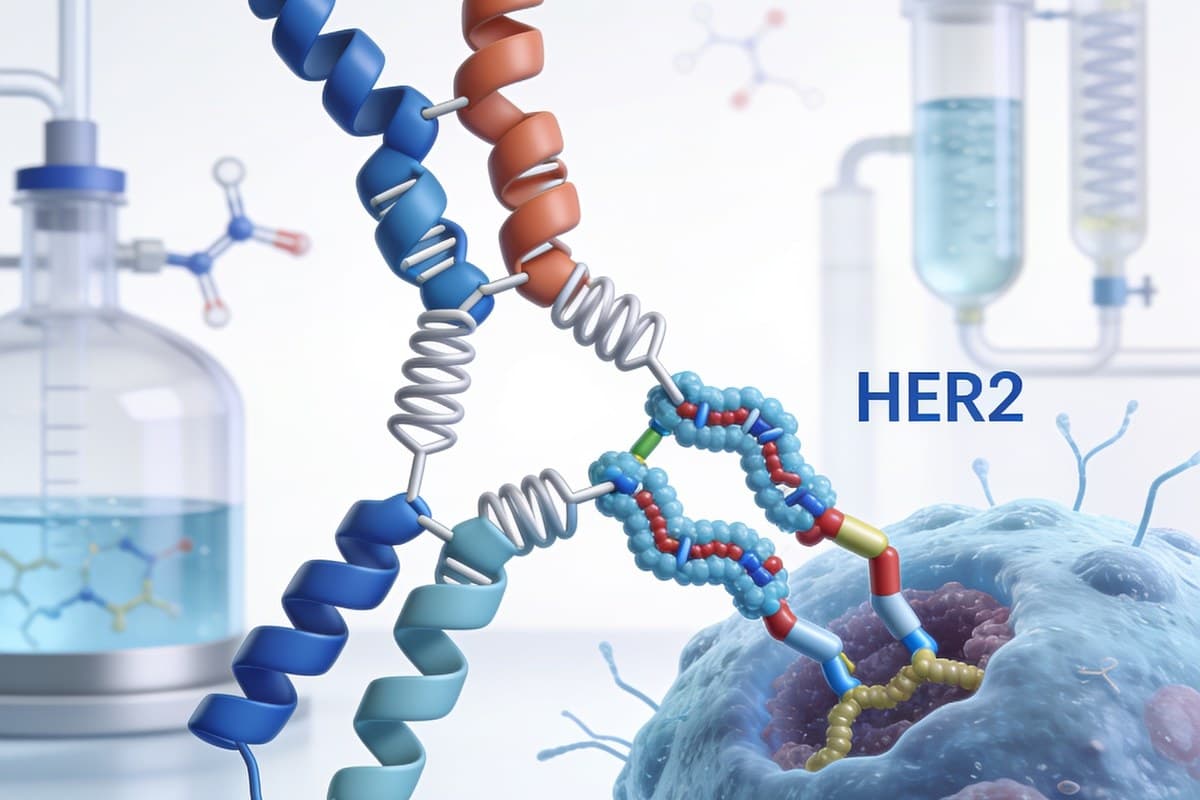
The FDA has approved Jazz Pharmaceuticals' bispecific antibody zanidatamab-hrii (Ziihera) as a first-line treatment for all HER2-positive gastroesophageal adenocarcinomas, a decision that dramatically expands the drug's addressable patient population and creates significant new demand signals for antibody manufacturing partners, CDMOs, and API suppliers specializing in complex biologics production.
Ziihera originally received accelerated approval in late 2024 as a later-line treatment for HER2-positive biliary tract cancer, a relatively small indication. The new frontline gastric cancer label transforms the commercial trajectory of the drug by positioning it at the beginning of the treatment paradigm for a disease that affects tens of thousands of patients annually worldwide. Gastroesophageal adenocarcinoma remains one of the most common and deadly cancers globally, with HER2-positive tumors accounting for approximately 15 to 20 percent of cases. By moving into the frontline setting, Ziihera now competes directly with established HER2-targeted regimens and is poised to capture substantial market share in a multibillion-dollar oncology segment.
For pharmaceutical suppliers and contract manufacturers, the implications are substantial. Zanidatamab is a bispecific antibody that binds two distinct HER2 epitopes simultaneously, a design that requires more complex manufacturing processes than conventional monoclonal antibodies. Bispecific antibody production involves specialized cell line engineering, dual-antigen binding domain assembly, and rigorous quality control to ensure correct chain pairing and minimal aggregation. As Ziihera's demand scales from a niche later-line therapy to a frontline standard of care, Jazz will need to secure significantly larger manufacturing capacity, either through internal expansion or by engaging CDMO partners with proven bispecific production capabilities.
The approval also reinforces the broader industry trend toward bispecific antibodies as a dominant therapeutic modality in oncology. Unlike traditional antibody-drug conjugates, bispecific antibodies achieve tumor cell killing by redirecting immune effector cells to cancer targets, offering a differentiated mechanism of action that can complement or replace existing HER2-directed therapies. This growing class of drugs creates specialized manufacturing demand that extends beyond standard monoclonal antibody production. CDMOs investing in bispecific-specific platforms, including knobs-into-holes technology, CrossMAb architectures, and DVD-Ig formats, are positioned to benefit from the expanding pipeline of bispecific programs moving through clinical development.
From a raw materials and intermediates perspective, the expansion of Ziihera into frontline use will increase demand for high-quality cell culture media, chromatography resins, and single-use bioprocessing consumables. Bispecific antibodies typically require more purification steps than conventional monoclonal antibodies due to the presence of mispaired chain byproducts, driving higher consumption of Protein A resin, ion exchange media, and specialized filtration membranes. Suppliers of these critical upstream and downstream processing materials stand to see increased order volumes as Jazz scales production to meet frontline demand.
The competitive landscape in HER2-positive gastric cancer is also intensifying, with several other bispecific and ADC candidates in late-stage development. Daiichi Sankyo and AstraZeneca's Enhertu has already established a strong presence in the HER2-positive space, and newer entrants are advancing through clinical trials. This competition will drive continued investment in HER2-targeted manufacturing capacity across the industry, benefiting API suppliers, fill-finish contractors, and formulation specialists who can support the complex production requirements of next-generation biologics.
The supply chain implications extend to the diagnostic testing ecosystem that accompanies HER2-targeted therapy. Companion diagnostics are required to identify HER2-positive patients eligible for Ziihera treatment, and the expansion into frontline use will increase testing volumes significantly. This creates indirect demand for diagnostic reagents, testing platforms, and laboratory services, further broadening the commercial impact of the approval across the pharmaceutical and diagnostics supply chain. For companies operating at the intersection of therapeutics and diagnostics manufacturing, the Ziihera label expansion represents a dual opportunity to serve both drug substance production and companion diagnostic supply.
For pharmaceutical intermediates suppliers, the Ziihera expansion signals a sustained and growing demand for HER2-targeted biologics manufacturing inputs. The transition from niche to mainstream oncology treatment typically requires a three- to five-fold increase in drug substance production, with corresponding increases in raw material procurement. Companies supplying critical starting materials, process chemicals, and analytical reagents for bispecific antibody manufacturing should anticipate increased order volumes and potentially longer-term supply agreements as Jazz and its competitors scale their HER2 programs.
The approval also highlights the importance of manufacturing flexibility in the biologics sector. Bispecific antibodies like zanidatamab require production platforms that can accommodate the unique structural challenges of dual-targeting molecules while maintaining the high yields and consistent quality needed for commercial-scale supply. CDMOs that have invested in modular, single-use bioprocessing systems are particularly well-positioned to serve this market, as these platforms offer the rapid changeover capabilities and scalability required to support drugs transitioning from limited-market indications to broad frontline use.
Looking ahead, the Ziihera frontline approval is likely to accelerate investment in bispecific antibody manufacturing infrastructure across the pharmaceutical industry. As more bispecific programs advance through clinical development and seek commercial-scale production, the demand for specialized CDMO services, high-quality raw materials, and advanced bioprocessing technologies will continue to grow. Suppliers and manufacturers that have positioned themselves at the intersection of bispecific antibody chemistry and scalable biologics production will be the primary beneficiaries of this expanding market opportunity.
How can we help you?
Receive insights into the latest events and regulatory updates
Sent directly to your email
Get industry insights and Unibest news here
Contact Us →