

Industry News
Arrowhead's Plozasiran Hits 'Best-Case Scenario' with Triglyceride and Pancreatitis Data, Intensifying RNAi API Demand
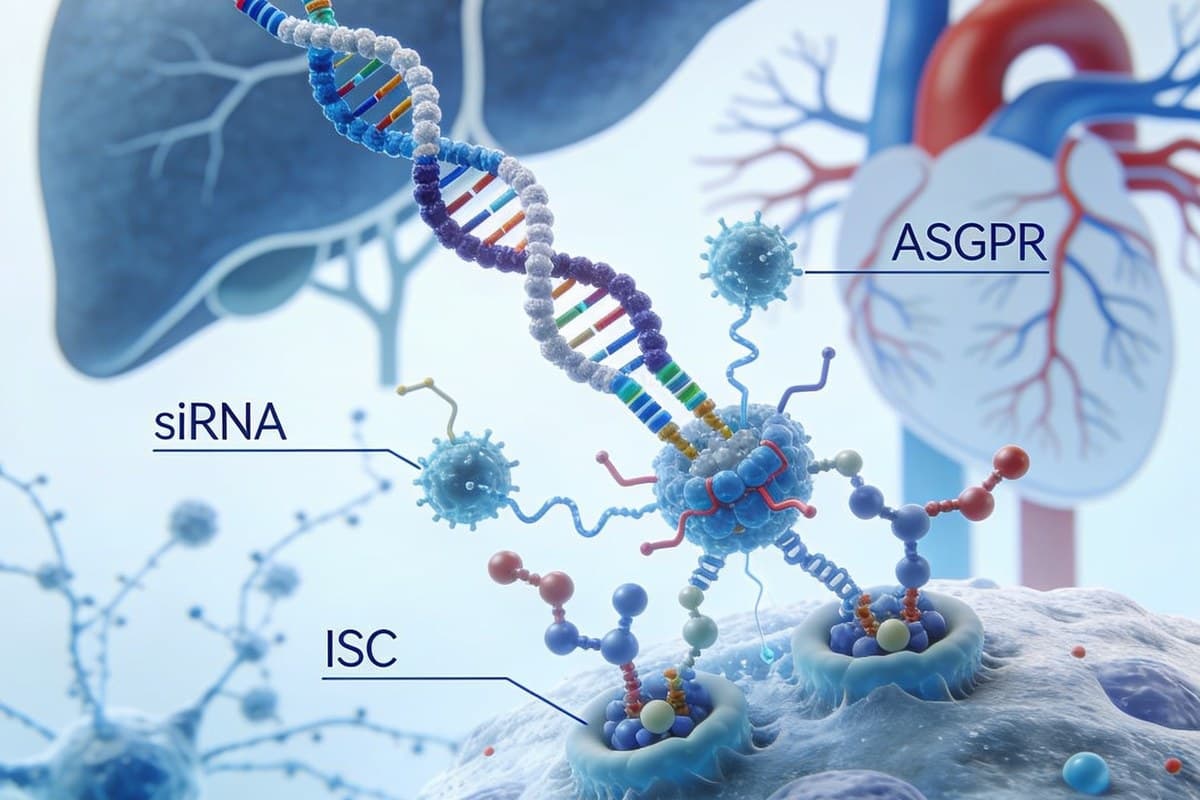
Arrowhead Pharmaceuticals delivered what analysts are calling a 'best-case scenario' with its latest clinical data for plozasiran, an RNA interference therapeutic targeting severe hypertriglyceridemia, positioning the company to challenge Ionis Pharmaceuticals' olezarsen in a market where unmet medical need and API manufacturing demand continue to grow. The Phase 3 results, reported on July 22, 2026, demonstrated significant triglyceride reductions and — critically — a meaningful decrease in acute pancreatitis events, a complication that drives substantial healthcare costs and patient morbidity.
Plozasiran, previously known as ARO-APOC3, works by silencing the gene encoding apolipoprotein C-III (APOC3), a protein that inhibits lipoprotein lipase and hepatic uptake of triglyceride-rich lipogenase particles. By reducing APOC3 production through RNAi mechanism, plozasiran lowers circulating triglyceride levels and addresses the root cause of severe hypertriglyceridemia. The drug is administered as a subcutaneous injection, leveraging Arrowhead's proprietary Targeted RNAi Molecule (TRiM) platform, which uses a GalNAc-conjugate for hepatocyte-specific delivery.
The clinical readout positions plozasiran as a formidable competitor to Ionis's olezarsen (brand name Tryngolza), which received FDA approval in December 2024 for familial chylomicronemia syndrome and recently secured a broader label expansion. Both drugs target the APOC3 pathway, but plozasiran's once-quarterly dosing regimen — compared to olezarsen's monthly subcutaneous injections — could offer a meaningful adherence advantage in a patient population that struggles with treatment compliance. Analysts noted that the pancreatitis reduction data, which Arrowhead described as clinically significant, could be the decisive factor in payer coverage decisions.
For API manufacturers and CDMOs operating in the oligonucleotide therapeutics space, the plozasiran results signal continued expansion of the siRNA/siRNA-as-medicine market. The global oligonucleotide synthesis market, valued at approximately $8.5 billion in 2025, is projected to exceed $15 billion by 2030, driven by approvals of RNAi therapeutics, antisense oligonucleotides, and mRNA-based therapies. Arrowhead's success reinforces the commercial viability of GalNAc-conjugated siRNA drugs and could accelerate investment in large-scale oligonucleotide manufacturing capacity.
The manufacturing requirements for plozasiran reflect the broader challenges of scaling oligonucleotide API production. siRNA drugs require high-purity synthetic oligonucleotides produced through phosphoramidite chemistry, followed by conjugation with targeting ligands — in this case, N-acetylgalactosamine (GalNAc) clusters for liver-specific uptake. Each production batch must meet stringent specifications for sequence identity, purity (typically >90% by HPLC), residual solvent levels, and sterility. The complexity of GalNAc-siRNA conjugation adds additional manufacturing steps and quality control requirements compared to simpler ASO molecules.
CDMOs with established oligonucleotide manufacturing platforms — including Agilent, Nitto Avecia, BioSpring, and Kaneka Eurogentec — are already operating near capacity as the oligonucleotide pipeline expands. The addition of plozasiran to Arrowhead's commercialization pathway, combined with Ionis's growing Tryngolza demand and Alnylam's expanding siRNA portfolio, could intensify capacity competition. Companies that have invested in large-scale oligonucleotide synthesizers, automated purification systems, and cGMP-compliant conjugation capabilities are well-positioned to capture this growing market segment.
The competitive dynamics between Arrowhead and Ionis also carry implications for API sourcing strategies. Both companies rely on contract manufacturing for at least a portion of their oligonucleotide API needs, and the race to secure manufacturing slots has become a strategic differentiator. Arrowhead's strong clinical data could accelerate its regulatory filing timeline, potentially creating urgency around API supply agreements that pharmaceutical procurement teams will need to navigate. For API suppliers, the plozasiran results represent a clear signal that demand for high-quality oligonucleotide synthesis services will continue its upward trajectory.
Beyond the immediate commercial implications, Arrowhead's success with plozasiran validates the broader RNAi platform approach for cardiovascular and metabolic indications. The company's pipeline includes multiple hepatocyte-targeted RNAi candidates for conditions including obesity, nonalcoholic steatohepatitis (NASH), and complement-mediated diseases. Each of these programs, if successful, would require dedicated siRNA API manufacturing — creating a cumulative demand effect that extends well beyond a single drug product.
From a patient access perspective, the hypertriglyceridemia market represents a significant unmet need. Severe hypertriglyceridemia, defined as fasting triglyceride levels above 500 mg/dL, affects an estimated 3.5 million adults in the United States alone and carries a 10-20% risk of acute pancreatitis per year. Current treatment options — fibrates, omega-3 fatty acids, and lifestyle modification — provide inadequate control for many patients. The emergence of RNAi-based therapies targeting APOC3 offers a mechanistically distinct approach that addresses the underlying metabolic dysfunction rather than merely managing symptoms, potentially reducing the long-term healthcare burden associated with recurrent pancreatitis hospitalizations.
The market responded positively to the data, with Arrowhead shares rising in early trading following the announcement. For the pharmaceutical supply chain, the plozasiran readout serves as another data point confirming that RNAi therapeutics have moved from scientific curiosity to commercial reality, with all the manufacturing, quality, and sourcing implications that entails. As the oligonucleotide therapeutics market matures, API suppliers and CDMOs that have invested in the specialized capabilities required for siRNA production will find themselves in an increasingly favorable competitive position.
How can we help you?
Receive insights into the latest events and regulatory updates
Sent directly to your email
Get industry insights and Unibest news here
Contact Us →