

Industry News
FDA Advisory Panel Narrowly Endorses Broader Compounding Access to Four Peptides, Signaling Peptide API Market Expansion
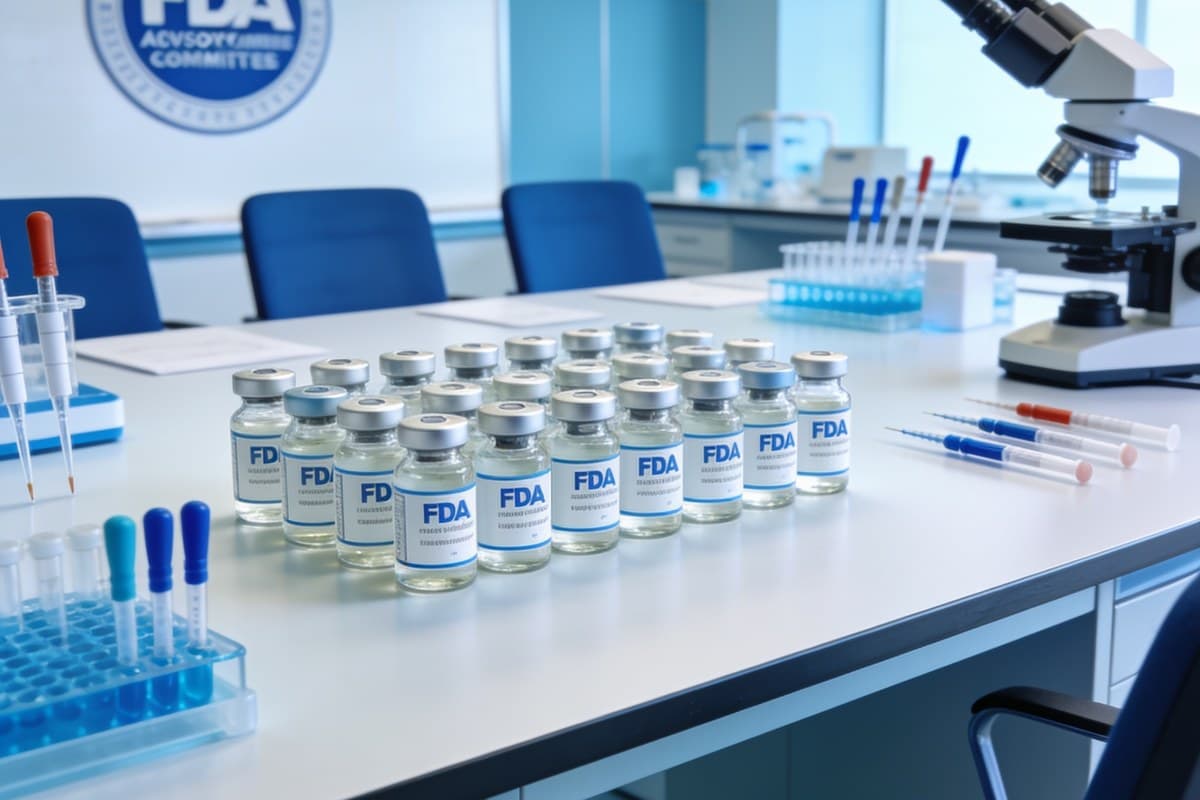
In a landmark decision that could reshape the peptide API supply chain, a U.S. Food and Drug Administration advisory panel narrowly voted on July 23, 2026, to recommend broader compounding access to four peptides — BPC-157, KPV, thymosin beta-4 (TB-500), and MOTS-c — despite acknowledging a lack of substantive clinical evidence supporting their therapeutic benefits and safety profiles. The 8-6 vote represents a significant victory for Health and Human Services Secretary Robert F. Kennedy Jr. and his 'Make America Healthy Again' (MAHA) agenda, which has championed expanded access to compounds that mainstream medicine has largely overlooked.
The peptides in question occupy a gray zone in pharmaceutical regulation. BPC-157, a 15-amino-acid peptide originally isolated from gastric juice, has been studied in preclinical models for tissue healing, gut barrier repair, and anti-inflammatory effects, but no large-scale randomized controlled trials in humans have been completed. KPV, a tripeptide fragment of alpha-melanocyte-stimulating hormone, has shown anti-inflammatory properties in laboratory settings. TB-500, a synthetic version of thymosin beta-4, has been promoted in regenerative medicine circles for wound healing and muscle recovery. MOTS-c, a mitochondrial-derived peptide, has attracted attention for its potential metabolic and exercise-mimetic effects. None of these compounds have received FDA approval for any indication.
For API manufacturers and peptide suppliers, the advisory committee's recommendation — while non-binding — signals a potential shift in market dynamics. If the FDA ultimately acts on the panel's guidance and expands compounding eligibility, demand for GMP-grade peptide synthesis could increase substantially. Compounding pharmacies, which prepare customized medications for individual patients, would need reliable sources of high-purity peptide APIs to meet anticipated demand from functional medicine practitioners, anti-aging clinics, and direct-to-consumer telehealth platforms that have already been prescribing these peptides in a regulatory gray area.
The manufacturing implications are significant. BPC-157 and TB-500 require solid-phase peptide synthesis (SPPS) at scales that exceed most research-grade suppliers' capacity. Quality control standards for compounded peptides — including purity testing, sterility assurance, endotoxin limits, and stability validation — would need to meet current Good Manufacturing Practice (cGMP) requirements. CDMOs specializing in peptide synthesis, particularly those with established SPPS platforms and regulatory-compliant quality systems, stand to benefit from expanded compounding access as pharmacies seek qualified API suppliers.
However, the decision has drawn sharp criticism from within the pharmaceutical and medical establishment. FDA staff scientists had recommended against broader compounding access, citing the absence of adequate pharmacokinetic, toxicology, and clinical efficacy data for all four peptides. During the advisory committee hearing, agency reviewers presented evidence that some of these peptides may have immunogenic potential, off-target effects, or stability issues that could compromise patient safety when prepared at compounding pharmacies without the rigorous quality controls applied to approved drugs.
The vote also reflects broader tensions in U.S. pharmaceutical policy. The MAHA movement, which gained political influence following the 2024 elections, has pushed for deregulatory approaches to supplements, peptides, and alternative therapies. Critics argue that bypassing established evidence standards for peptide approval could create a parallel supply chain where quality and safety are difficult to monitor. Supporters counter that patients seeking these therapies are already obtaining them through unregulated channels, and that formal compounding access would paradoxically improve safety by bringing production under pharmacy oversight.
For the peptide CDMO sector, the decision creates both opportunity and complexity. Companies with FDA-registered manufacturing facilities and established peptide synthesis capabilities — including Bachem, PolyPeptide Group (recently acquired by Samsung Biologics for $1.8 billion), and CordenPharma — could see increased inquiry volumes if compounding pharmacies scale up production. The timing is notable, given that the peptide manufacturing sector is already experiencing capacity constraints driven by surging GLP-1 receptor agonist demand for obesity and diabetes treatments.
Industry analysts caution that the advisory committee's recommendation is only a first step. The FDA retains full authority to accept, modify, or reject the panel's guidance. A formal rulemaking process, which could take months or years, would likely follow before compounding pharmacies gain legal clarity on peptide sourcing and preparation. In the meantime, API suppliers should prepare for potential demand increases by evaluating their peptide synthesis capacity, quality systems, and regulatory readiness for serving the compounding pharmacy channel.
The decision also raises questions about the precedent it sets for other unapproved compounds. If peptides with limited clinical evidence can gain compounding access through advisory committee endorsement, similar campaigns could emerge for other biologically active molecules — from novel amino acid derivatives to peptide-receptor agonists currently in early-stage development. For pharmaceutical supply chain stakeholders, the evolving regulatory landscape around peptide compounding warrants close monitoring as it could influence sourcing strategies, quality investment decisions, and partnership models across the API manufacturing ecosystem.
How can we help you?
Receive insights into the latest events and regulatory updates
Sent directly to your email
Get industry insights and Unibest news here
Contact Us →