

Industry News
Cellares Lays Off 100 Employees After Pharma Contract Loss, Highlighting Cell Therapy CDMO Concentration Risk
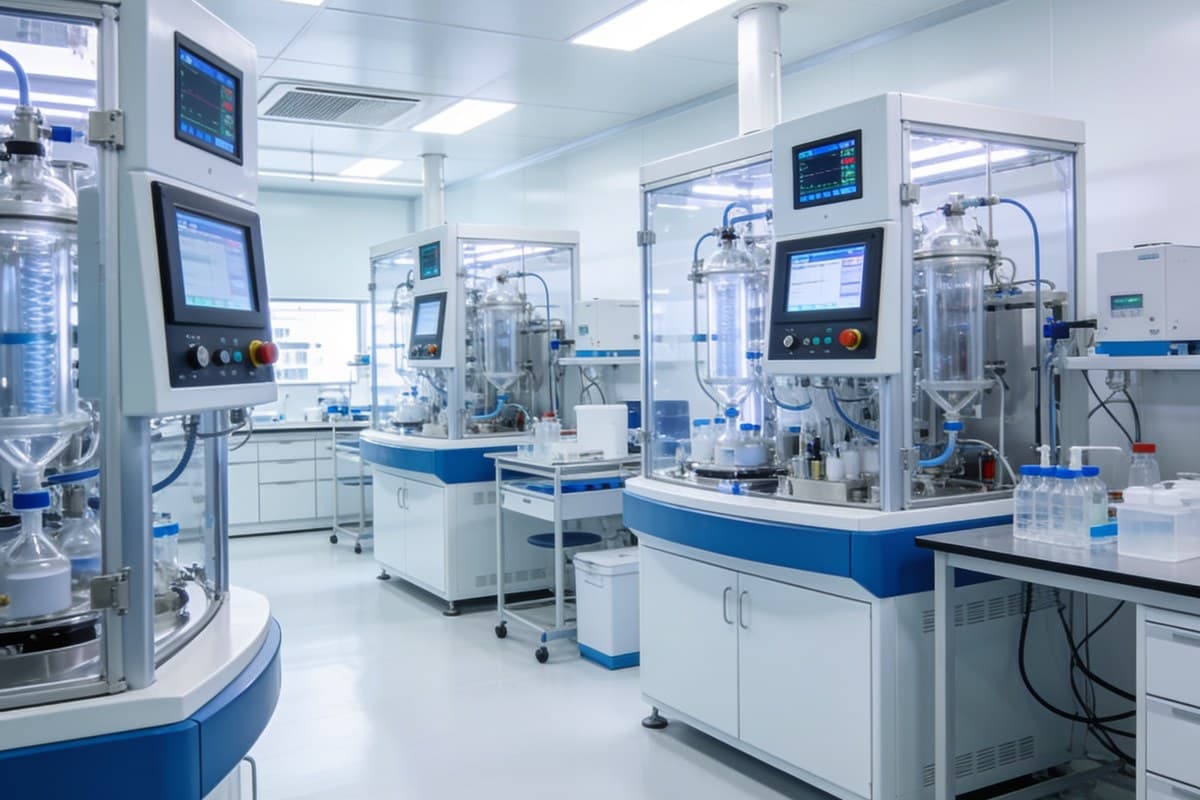
Cellares, a cell therapy contract development and manufacturing organization that positioned itself as a pioneer in automated cell therapy production, is laying off approximately 100 employees after a large pharmaceutical customer terminated a manufacturing contract. The restructuring, announced by CEO Fabian Gerlinghaus on LinkedIn in late August 2026, marks one of the most significant workforce reductions in the cell therapy CDMO sector this year and raises questions about the sustainability of specialized manufacturing platforms in an increasingly competitive market.
The layoffs represent a substantial portion of Cellares' workforce and come at a time when the cell therapy manufacturing landscape is undergoing rapid transformation. Cellares had differentiated itself through its Cell Shuttle platform, an automated system designed to reduce the cost and complexity of manufacturing autologous cell therapies such as CAR-T treatments. The loss of a major customer contract suggests that even innovative manufacturing approaches face headwinds when the broader cell therapy pipeline experiences setbacks or strategic pivots.
For the pharmaceutical supply chain ecosystem, Cellares' restructuring is a cautionary tale about the concentration risk inherent in CDMO business models that depend on a small number of large contracts. When a single customer accounts for a disproportionate share of revenue, the termination of that relationship can have outsized operational and financial consequences. This dynamic is not unique to Cellares — it reflects a structural challenge faced by many specialized CDMOs that serve niche therapeutic modalities with limited commercial product diversity.
The cell therapy CDMO market has experienced a paradoxical combination of growing demand and intensifying competitive pressure over the past two years. On the demand side, the number of cell therapy clinical trials continues to expand, and several late-stage programs in CAR-T, natural killer cell, and tumor-infiltrating lymphocyte therapies are approaching regulatory decisions. On the supply side, however, the market has seen a proliferation of CDMO capacity — both from dedicated cell therapy manufacturers and from large diversified CDMOs that have added cell therapy capabilities to their existing platforms.
Cellares' automated manufacturing approach was designed to address one of the most persistent challenges in cell therapy production: the high cost and labor-intensive nature of manufacturing individualized patient treatments. Traditional CAR-T manufacturing requires extensive manual handling, cleanroom operations, and quality testing for each patient's cells, resulting in production costs that can exceed $100,000 per treatment. Cellares' Cell Shuttle system aimed to reduce these costs through closed, automated processing — but the technology's commercial viability depends on securing sufficient manufacturing volume to justify capital investment.
The broader implications for pharmaceutical suppliers are significant. Cell therapy manufacturing relies on a complex supply chain that includes viral vector producers, cell processing reagents, cryopreservation media, quality testing services, and specialized logistics providers. When a CDMO like Cellares reduces its workforce and manufacturing activity, the ripple effects extend throughout this supply chain. Suppliers of GMP-grade cytokines, activation beads, transduction reagents, and single-use bioprocessing consumables may see reduced order volumes from the affected site.
The layoffs also highlight the ongoing challenge of commercial sustainability in advanced therapy manufacturing. Despite the clinical success of products like Kymriah, Yescarta, and Abecma, the cell therapy manufacturing sector has struggled to achieve the scale and efficiency needed to generate consistent profitability. Many CDMOs in this space are venture-backed startups that have raised significant capital but have not yet reached cash-flow breakeven — making them vulnerable to contract losses and market downturns.
For companies evaluating CDMO partnerships in the cell and gene therapy space, the Cellares situation underscores the importance of due diligence on a CDMO's customer concentration, financial stability, and diversification strategy. Pharmaceutical sponsors increasingly prefer to work with CDMOs that have multiple revenue streams, established quality track records, and the financial resilience to weather individual contract fluctuations. This dynamic may accelerate the trend toward larger, more diversified CDMOs absorbing market share from smaller specialized players.
Despite the current challenges, the long-term outlook for cell therapy manufacturing demand remains positive. The global cell therapy market is projected to grow at a compound annual growth rate of approximately 20 percent through 2030, driven by expanding indications, next-generation engineering approaches, and increasing regulatory approvals worldwide. The near-term consolidation and workforce reductions in the CDMO sector may ultimately strengthen the industry by weeding out undercapitalized operators and concentrating capacity among manufacturers with proven technology platforms and sustainable business models.
For B2B pharmaceutical suppliers, the Cellares layoffs serve as a reminder that the advanced therapy manufacturing supply chain remains inherently volatile. Diversifying customer portfolios, maintaining flexible capacity, and investing in quality systems that meet the stringent requirements of both autologous and allogeneic cell therapy production will be critical strategies for navigating the sector's inevitable cycles of expansion and contraction.
How can we help you?
Receive insights into the latest events and regulatory updates
Sent directly to your email
Get industry insights and Unibest news here
Contact Us →