
Industry News
Lilly Resilience 750M Glp1 Manufacturing Expansion 2026
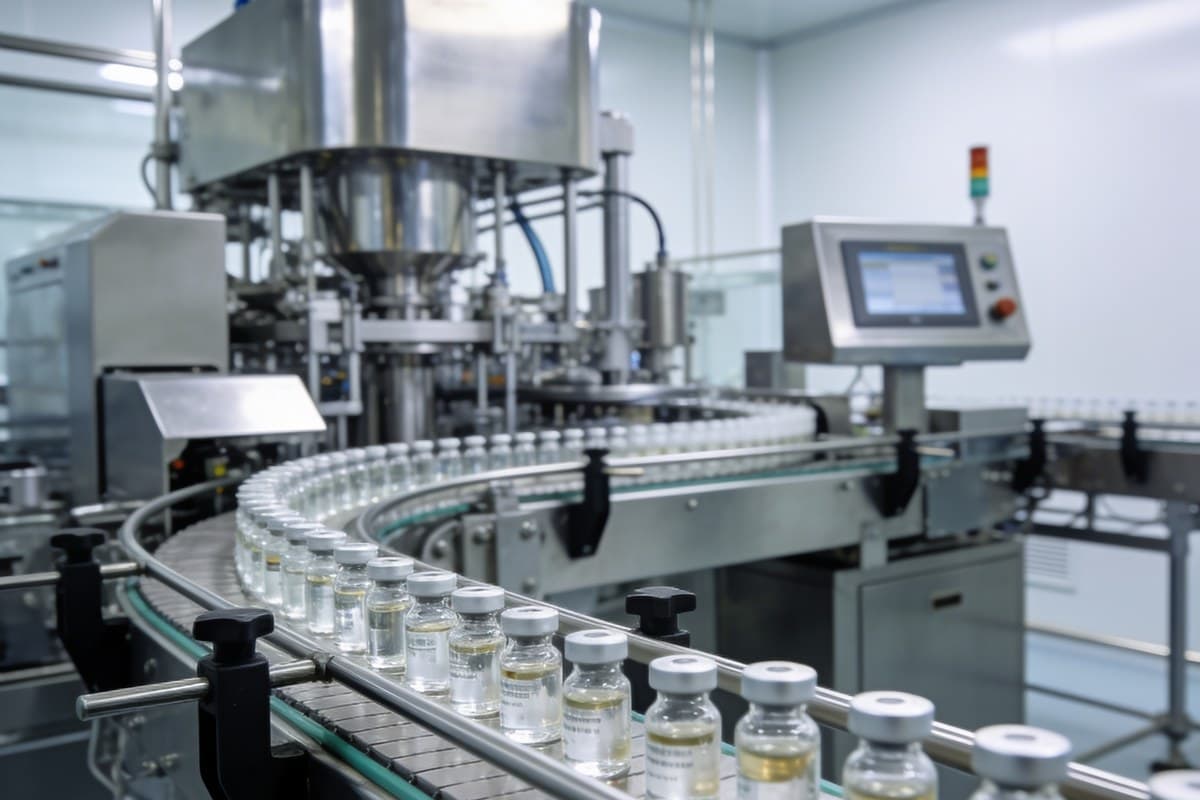
Eli Lilly and National Resilience have announced a landmark $750 million investment to expand injectable drug manufacturing capacity at Resilience's Cincinnati, Ohio facilities, creating approximately 400 new jobs dedicated to producing GLP-1 receptor agonist injectables. The deal, disclosed in early August 2026, represents one of the largest single-site CDMO expansions in recent memory and underscores the pharmaceutical industry's urgent scramble to address chronic GLP-1 supply shortages that have persisted since the drugs first gained widespread adoption for obesity and type 2 diabetes.
The investment arrives at a critical juncture for the GLP-1 market. Eli Lilly's tirzepatide franchise, marketed as Mounjaro for diabetes and Zepbound for obesity, has faced repeated supply constraints since its initial approvals, with demand consistently outstripping manufacturing capacity. By partnering with Resilience rather than building greenfield facilities from scratch, Lilly is accelerating its capacity timeline by an estimated 18 to 24 months. Resilience, which was founded in 2020 with backing from ARCH Venture Partners and other investors, operates a network of contract manufacturing sites across North America and has positioned itself as a next-generation biomanufacturing platform capable of handling complex biologics and sterile injectables.
For API suppliers and intermediates manufacturers, the expansion signals sustained and growing demand for the active pharmaceutical ingredients that underpin GLP-1 therapies. Semaglutide and tirzepatide are both complex synthetic peptides that require specialized manufacturing capabilities, including solid-phase peptide synthesis, purification at industrial scale, and stringent quality controls. The supply chain for these molecules extends back through multiple tiers of suppliers, from raw amino acid building blocks to specialized reagents and chromatography resins. A $750 million downstream investment in fill-finish capacity inevitably translates into upstream demand for peptide APIs, intermediates, and process chemicals.
The deal also highlights the evolving role of CDMOs in the pharmaceutical value chain. Traditional contract manufacturers have typically handled overflow production or provided capacity for smaller biotech companies lacking their own manufacturing infrastructure. The Lilly-Resilience partnership inverts this model: one of the world's largest pharmaceutical companies is outsourcing a strategically critical product line to a relatively young CDMO, suggesting that even the most well-capitalized drug makers recognize that building and operating sterile injectable capacity at the required scale and speed exceeds their internal capabilities. This trend has significant implications for API suppliers, who may find that their customer base increasingly consists of CDMOs rather than traditional pharmaceutical companies.
National Resilience was founded with the explicit mission of building a flexible, technology-forward manufacturing platform that could serve multiple modalities, including biologics, vaccines, nucleic acids, and sterile injectables. The company has grown rapidly through a combination of acquisitions and organic expansion, assembling a network of facilities across the United States and Canada. The Cincinnati site, which will house the new GLP-1 production lines, was part of Resilience's broader strategy to establish large-scale fill-finish capabilities in regions with access to skilled labor and established logistics infrastructure.
The broader market context for this investment is the explosive growth of the GLP-1 receptor agonist class, which is projected to become the largest therapeutic category in pharmaceutical history. Analysts estimate the global GLP-1 market could exceed $150 billion annually by 2030, driven by obesity, diabetes, and emerging indications in cardiovascular disease, liver disease, and kidney disease. Novo Nordisk, the other dominant player in the space with its semageltide-based Ozempic and Wegovy products, has similarly announced billions of dollars in manufacturing investments. The combined capital expenditure across the GLP-1 sector is creating a manufacturing boom that extends well beyond the two primary drug makers, encompassing CDMOs, API suppliers, device manufacturers, and raw materials suppliers.
For companies in the API and pharmaceutical intermediates supply chain, the key takeaway from the Lilly-Resilience deal is that GLP-1 manufacturing demand is not a short-term spike but a structural shift in the pharmaceutical landscape. The 400 jobs announced at the Cincinnati facility represent just one node in a rapidly expanding global production network. Suppliers of peptide synthesis reagents, specialty chemicals, sterile filtration consumables, and primary packaging components should expect sustained demand growth as additional manufacturing capacity comes online over the next three to five years.
The investment also carries implications for supply chain resilience and diversification. By partnering with a CDMO that operates multiple sites, Lilly is building redundancy into its GLP-1 supply chain, reducing the risk of single-site disruptions that have historically caused shortages in other drug categories. This approach mirrors broader industry trends toward multi-sourcing and geographic diversification, themes that have gained urgency in the wake of pandemic-era supply chain disruptions and ongoing geopolitical tensions affecting pharmaceutical trade. For API suppliers, the message is clear: customers increasingly value reliability, scalability, and the ability to support rapid capacity ramp-ups alongside competitive pricing and regulatory compliance.
How can we help you?
Receive insights into the latest events and regulatory updates
Sent directly to your email
Get industry insights and Unibest news here
Contact Us →