
Industry News
Pfizer Cost Cuts Production Streamlining 2026
Pfizer has significantly expanded its multi-year cost-restructuring program, now expecting to deliver $1 billion in new annual cost reductions on top of $1.5 billion in savings from streamlining its global drug manufacturing operations. The expanded program, first conceived three years ago in the wake of the post-COVID revenue decline, reflects Pfizer's aggressive effort to fundamentally reshape its cost base as it navigates looming patent cliffs, heavy pipeline investments, and a commercial landscape that has been permanently altered by the pandemic-era revenue surge and subsequent normalization.
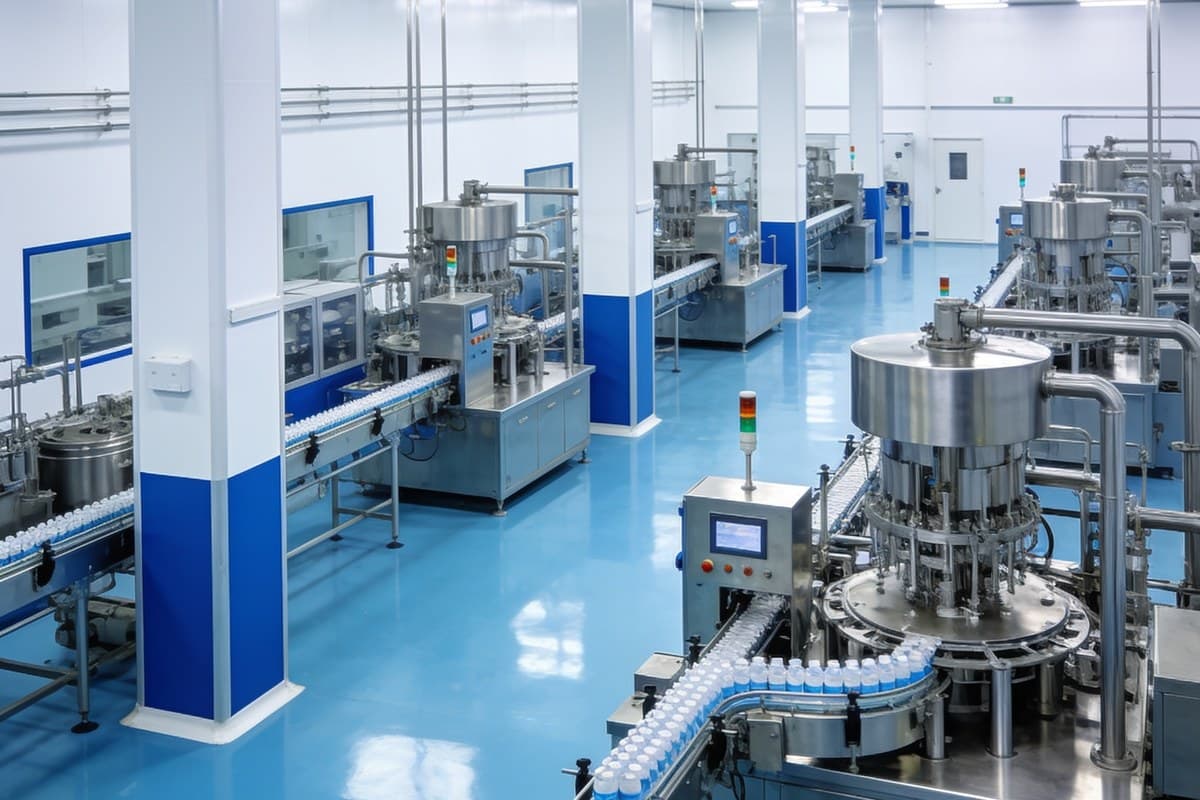
The manufacturing streamlining component is particularly significant for the pharmaceutical supply chain ecosystem. Pfizer operates one of the industry's largest production networks, with more than 30 manufacturing sites worldwide spanning sterile injectables, oral solid dosage forms, biologics, and active pharmaceutical ingredients. The $1.5 billion in production-related savings signals a fundamental reconfiguration of this sprawling footprint — likely involving site consolidations, advanced technology upgrades, shifts in CDMO utilization patterns, and material changes in API sourcing strategies that will ripple through the global supplier base for years to come.
For API and intermediates manufacturers, Pfizer's cost-cutting drive creates both substantial risks and significant opportunities. On the risk side, Pfizer may reduce procurement volumes from certain suppliers as it consolidates production at fewer, more efficient facilities. Long-standing API supply contracts may be renegotiated at lower prices, and suppliers of commoditized intermediates face intensified margin pressure as Pfizer leverages its enormous purchasing scale. The company has historically been one of the world's largest buyers of generic API, particularly for its established brands and off-patent portfolio segments that generate steady but declining revenue streams.
However, the opportunities emerging from this restructuring are equally significant for the right suppliers. Pfizer's streamlining is expected to increase its reliance on external CDMO partners for specialized manufacturing capabilities that the company chooses not to maintain in-house. As Pfizer focuses its internal resources on high-value biologics production, oncology drug manufacturing, and its expanding GLP-1/obesity pipeline, it will need to outsource more small-molecule API manufacturing, sterile fill-finish operations, and secondary packaging to contract manufacturers with demonstrated expertise in these areas.
The timing of Pfizer's expanded restructuring coincides with a challenging period for the company's commercial portfolio. Several blockbuster products face patent expirations in the coming years, while the COVID-19 vaccine and treatment franchise has contracted sharply from its pandemic peak. At the same time, Pfizer is investing heavily in its oncology pipeline — including the integration of the $43 billion Seagen acquisition — and in its obesity ambitions through the development of danuglipron and other oral GLP-1 candidates. Balancing these critical investment needs against persistent revenue headwinds requires the kind of deep operational efficiency gains that the expanded cost-cutting program aims to deliver across the organization.
The manufacturing implications extend well beyond Pfizer's own production facilities. As one of the pharmaceutical industry's largest employers and taxpayers in communities across Ireland, Belgium, the United States, and Puerto Rico, any site rationalization decisions carry significant economic and political impact. Previous rounds of Pfizer restructuring have led to facility closures and workforce reductions that disrupted local supplier ecosystems — from equipment maintenance providers and raw material distributors to logistics companies serving the pharmaceutical cold chain and specialized packaging firms that depended on Pfizer's production volumes.
For pharmaceutical suppliers and CDMOs positioning themselves to capture share from the Pfizer restructuring, several capabilities are likely to be in particularly high demand. Continuous manufacturing technologies that reduce production costs and cycle times while improving quality consistency. High-potency API handling capabilities for the expanding oncology portfolio. Oral peptide manufacturing technologies for the obesity and metabolic disease pipeline. And flexible, multi-product fill-finish capacity that can serve both Pfizer's established sterile injectable portfolio and its growing biologics pipeline. Companies that can offer integrated solutions across multiple categories — rather than point capabilities in a single area — will be best positioned to win long-term supply agreements.
The expanded cost-cutting program is expected to be substantially implemented by 2028, with the manufacturing streamlining component progressing on a rolling basis as existing supply contracts expire and new production configurations come online. For the broader pharmaceutical supply chain, the message from Pfizer is unambiguous: the company is fundamentally rethinking how and where it makes medicines, and the suppliers, CDMOs, and intermediates manufacturers that adapt their capabilities and commercial models to this new reality will define the next era of one of the industry's most consequential and largest customer relationships.
How can we help you?
Receive insights into the latest events and regulatory updates
Sent directly to your email
Get industry insights and Unibest news here
Contact Us →