

Industry News
Novartis' Rhapsido Clears Phase 3 Hurdle in Multiple Sclerosis with Clean Liver Safety Profile
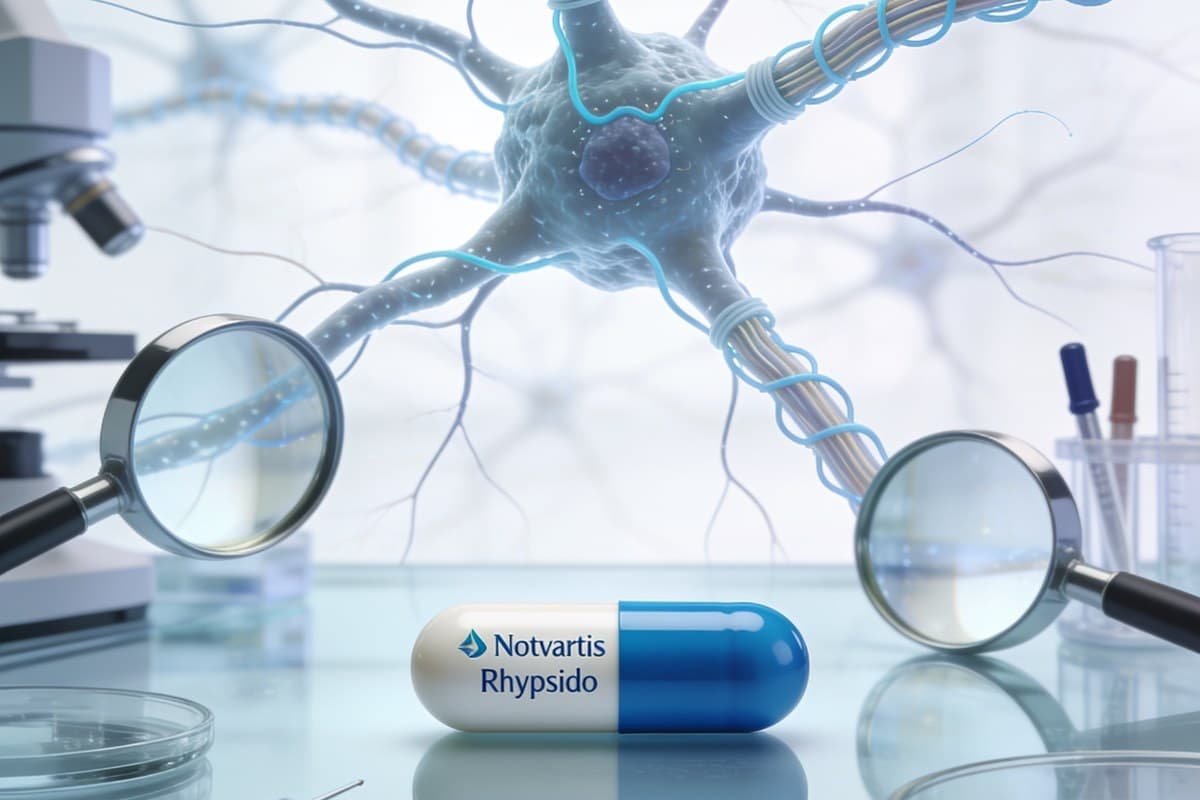
Novartis has released Phase 3 clinical trial results for remibrutinib, marketed under the brand name Rhapsido, demonstrating significant reductions in relapse rates among patients with relapsing forms of multiple sclerosis. The data, presented at a major medical conference, showed that the oral BTK inhibitor met its primary endpoints across two large pivotal studies, positioning Novartis as a formidable competitor in the race to bring a new class of MS therapies to market.
The results are particularly notable for what they did not show: liver-related safety signals. BTK inhibitors have faced intense regulatory scrutiny due to hepatotoxicity concerns observed across multiple programs. Earlier this year, the FDA placed clinical holds on several BTK inhibitor trials after reports of drug-induced liver injury emerged. Novartis' remibrutinib appears to have sidestepped these issues, with trial data indicating a liver safety profile comparable to placebo, a finding that could prove decisive in differentiating the drug from its rivals.
For pharmaceutical suppliers and contract manufacturers, the advancement of remibrutinib through late-stage development signals growing demand for BTK inhibitor active pharmaceutical ingredients and finished dosage forms. The BTK inhibitor class, originally developed for hematological malignancies, has expanded into autoimmune indications, creating new supply chain opportunities across both oncology and immunology therapeutic areas.
The competitive landscape for BTK inhibitors in MS is intensifying. Sanofi's fenebrutinib is also in advanced clinical development, while several other pharmaceutical companies have BTK programs targeting neurological autoimmune conditions. Analysts at Jefferies project that remibrutinib could achieve peak annual sales exceeding $3 billion if approved, reflecting the enormous unmet need in the MS market where current therapies require frequent injections or carry their own safety limitations.
Multiple sclerosis affects approximately 2.8 million people worldwide, with relapsing-remitting MS accounting for roughly 85 percent of diagnoses at onset. Current treatment options include injectable therapies, oral medications, and infusion-based biologics, but each carries limitations ranging from injection site reactions to increased infection risk. A well-tolerated oral BTK inhibitor could offer a meaningful advancement in the treatment paradigm, particularly for patients who have struggled with existing options.
From a manufacturing perspective, BTK inhibitors are small-molecule drugs that can be produced through standard chemical synthesis processes, making them attractive products for API suppliers and contract development and manufacturing organizations. The expansion of BTK inhibitors into large autoimmune indications like MS, which has a significantly larger patient population than the hematological cancers where these drugs originated, is expected to drive substantial increases in production volumes and create opportunities for suppliers across the value chain.
The liver safety data from the remibrutinib trials carry particular significance for the broader BTK inhibitor field. Regulatory agencies worldwide have been closely monitoring this drug class for hepatotoxicity signals, and the clean profile demonstrated by remibrutinib could help establish safety benchmarks that other programs will need to meet. For suppliers involved in BTK inhibitor manufacturing, this regulatory environment underscores the importance of stringent quality control and consistent API purity standards.
Novartis has indicated that it plans to submit regulatory applications for remibrutinib in key markets including the United States and European Union in the coming months. The company is also exploring the drug's potential in other autoimmune conditions beyond MS, which could further expand the commercial opportunity and manufacturing demand. If approved, Rhapsido would join Novartis' growing portfolio of immunology therapies, complementing existing products in areas such as dermatology and rheumatology.
The pharmaceutical industry will be watching the regulatory review process closely, as the outcome will have implications beyond just Novartis and its competitors. A successful approval for remibrutinib would validate the BTK inhibitor mechanism in autoimmune disease, potentially accelerating investment and development across the class. Conversely, any regulatory delays or additional safety requirements could ripple through the entire field, affecting timelines and commercial projections for multiple programs.
For B2B pharmaceutical suppliers, the key takeaway is clear: the BTK inhibitor market is poised for significant expansion beyond oncology. Companies that have invested in BTK inhibitor API capabilities, analytical methods expertise, and regulatory documentation will be well-positioned to capture growing demand as these drugs move toward approval and commercialization in autoimmune indications. The emergence of a clean-safety-profile candidate like remibrutinib could accelerate this market transition, creating near-term opportunities for contract manufacturers and API suppliers with established BTK inhibitor capabilities.
How can we help you?
Receive insights into the latest events and regulatory updates
Sent directly to your email
Get industry insights and Unibest news here
Contact Us →