
Industry News
Novo Nordisk Sues Eli Lilly Over 'Deceptive' GLP-1 Drug Advertising, Escalating Obesity Market Rivalry
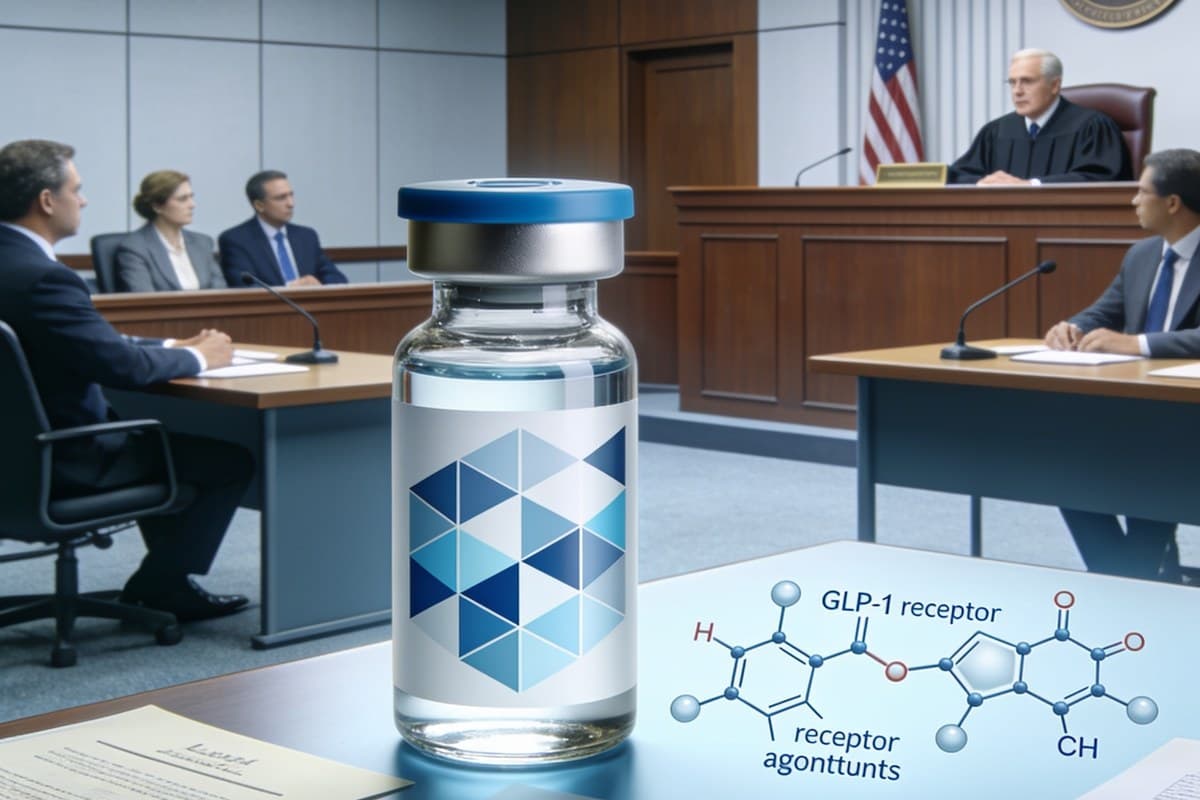
Novo Nordisk has filed a federal lawsuit against Eli Lilly in the U.S. District Court for the District of New Jersey, alleging that Lilly's advertising campaign for its GLP-1 receptor agonist drugs uses 'deceptive' claims based on 'outdated clinical trials' to position its products as broadly superior to Novo's competing medicines. The lawsuit, which escalates one of the pharmaceutical industry's most intense commercial rivalries into the courtroom, has significant implications for the GLP-1 market and the peptide API supply chain that supports it.
The complaint alleges that Lilly's promotional materials for Mounjaro and its related obesity products make comparative efficacy claims that are not supported by current clinical evidence, effectively misleading healthcare providers and patients about the relative benefits of Lilly's tirzepatide-based products versus Novo's semaglutide-based drugs including Ozempic and Wegovy. Novo Nordisk asserts that it sent a cease-and-desist letter prior to filing the lawsuit, but that Lilly declined to modify its advertising claims. Lilly has publicly responded that its advertising campaign is 'truthful' and based on legitimate clinical data.
The legal confrontation reflects the extraordinary commercial stakes in the GLP-1 market, which has grown into one of the largest and fastest-growing therapeutic categories in pharmaceutical history. Global sales of GLP-1 receptor agonists are projected to exceed $100 billion annually by 2028, driven by expanding indications in obesity, type 2 diabetes, cardiovascular risk reduction, and metabolic dysfunction-associated steatohepatitis (MASH). The intense competition between Novo and Lilly for market share in this space has fueled aggressive marketing strategies on both sides.
For peptide API suppliers and CDMO partners, the Novo-Lilly lawsuit underscores both the enormous demand for GLP-1 drug substances and the competitive pressures that shape supply chain dynamics. The GLP-1 market has driven unprecedented investment in peptide manufacturing capacity, with contract manufacturers racing to build facilities capable of producing the large-scale peptide syntheses required for drugs like semaglutide and tirzepatide. Samsung Biologics' recent $1.8 billion bid for Swiss peptide CDMO PolyPeptide Group is just one example of how the GLP-1 boom is reshaping the peptide manufacturing landscape.
The advertising dispute also highlights the growing importance of real-world evidence and head-to-head clinical trial data in pharmaceutical marketing. As the GLP-1 class matures, companies are increasingly relying on comparative effectiveness data to differentiate their products in a crowded market. This trend has implications for API suppliers, as drugs with stronger clinical differentiation may capture disproportionate market share, affecting demand forecasts and capacity planning for peptide manufacturers.
Beyond the direct competitive implications, the lawsuit raises broader questions about pharmaceutical advertising regulation in the United States. The FDA's Office of Prescription Drug Promotion (OPDP) oversees direct-to-consumer and healthcare provider advertising, but enforcement actions have historically been limited. Private litigation between pharmaceutical companies over advertising claims, while not unprecedented, represents an escalation in how drug makers police each other's promotional practices. The outcome of this case could establish important precedents for how comparative efficacy claims are made in pharmaceutical advertising.
The GLP-1 competitive landscape continues to evolve rapidly, with new entrants and expanding indications creating both opportunities and uncertainties for API suppliers. Chinese pharmaceutical companies including Hengrui and Kailera are advancing oral GLP-1 formulations that could further expand the market, while Novo and Lilly are both pursuing next-generation compounds with improved efficacy or convenience profiles. The advertising lawsuit adds a legal dimension to this competitive dynamic that API suppliers and CDMO partners should factor into their strategic planning.
Compound pharmacies have also emerged as a significant factor in the GLP-1 market, with nearly one in five patients reportedly using compounded versions of semaglutide or tirzepatide despite FDA crackdowns on mass compounding and ongoing safety concerns. The persistence of compounding pharmacies in the GLP-1 space represents an additional competitive pressure on both Novo and Lilly, and has implications for API supply chain integrity and quality assurance.
The Novo-Lilly lawsuit is expected to proceed through discovery and potentially trial over the coming year, though many pharmaceutical advertising disputes are ultimately resolved through settlement. Regardless of the legal outcome, the case serves as a vivid illustration of the high stakes surrounding GLP-1 market positioning and the lengths to which pharmaceutical companies will go to protect their share of one of the industry's most valuable therapeutic categories. Peptide API suppliers and contract manufacturers should prepare for continued market volatility as the competitive dynamics in this space play out.
How can we help you?
Receive insights into the latest events and regulatory updates
Sent directly to your email
Get industry insights and Unibest news here
Contact Us →