
Industry News
Sandoz Launches Bio100 Initiative Targeting 100+ Biosimilars by 2040, Invests $300M in Slovenia Drug Substance Factory
Sandoz has unveiled one of the most ambitious biosimilar strategies the industry has seen, announcing its Bio100 initiative with a target of developing and commercializing more than 100 biosimilar medicines by 2040. The plan was presented at the company's Capital Markets Day and signals a major acceleration in the global shift toward off-patent biologic medicines. For pharmaceutical suppliers and contract manufacturers, the announcement carries significant implications for API demand, drug substance production, and long-term supply chain planning across the biosimilar value chain.
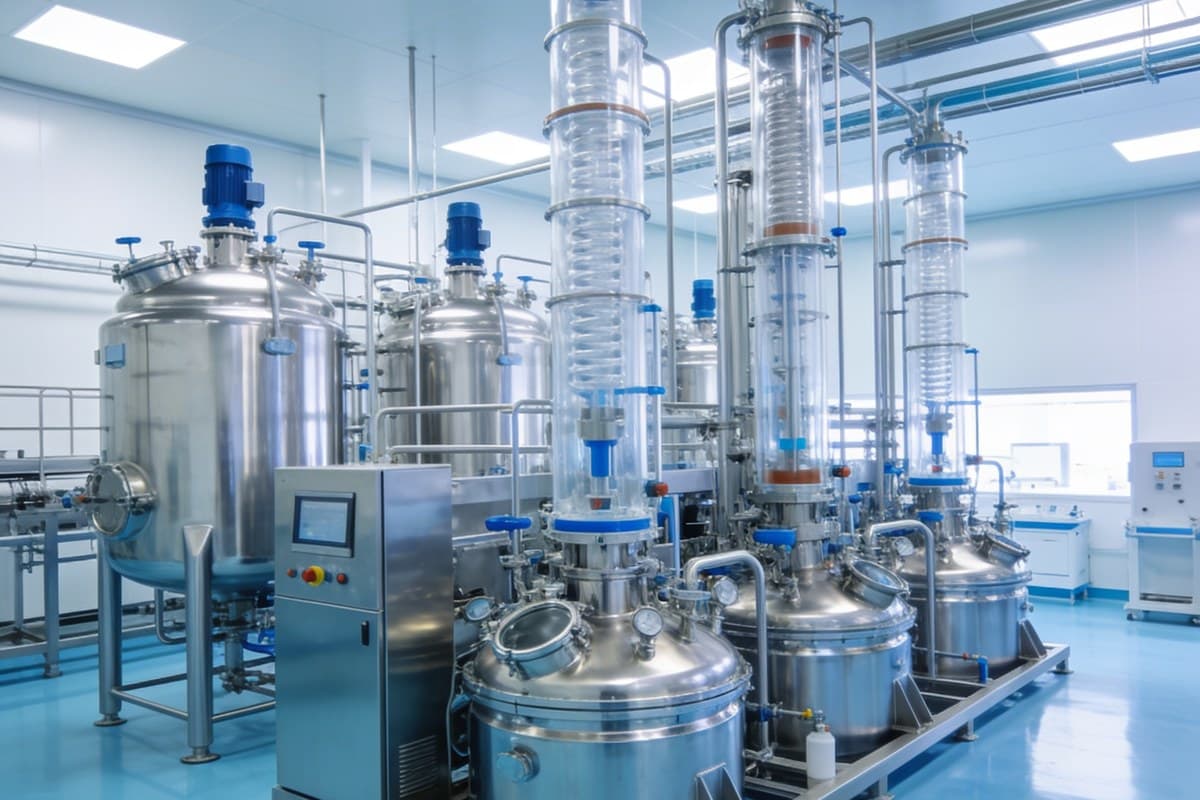
At the heart of the expansion is a $300 million investment in a new drug substance manufacturing facility in Ljubljana, Slovenia. The plant will focus on the production of biologic drug substances, a segment that has historically faced capacity constraints as the biosimilar pipeline has grown. Sandoz CEO Richard Saynor described the investment as a cornerstone of the company's strategy to build the manufacturing scale needed to support a portfolio that could eventually span more than 100 molecules. The Ljubljana facility is expected to significantly expand the company's in-house biologics production capabilities, reducing reliance on third-party contract development and manufacturing organizations for critical drug substance supply.
The biosimilar market has been growing at a compound annual rate of approximately 15 to 20 percent over the past five years, driven by patent expirations on some of the world's best-selling biologic drugs. Products such as Humira, Keytruda, Stelara, and Opdivo represent tens of billions of dollars in annual revenue that are now subject to biosimilar competition. The Bio100 plan positions Sandoz to capture a significant share of this expanding market by building a broad portfolio that covers multiple therapeutic areas including oncology, immunology, endocrinology, and rare diseases. The scale of the ambition — 100 biosimilars in less than 15 years — suggests that Sandoz intends to pursue both internal development and external licensing or acquisition to fill its pipeline.
For API manufacturers and pharmaceutical intermediates suppliers, the Sandoz announcement underscores a structural shift in demand patterns. Biosimilar production requires large quantities of high-quality biologic drug substances, which in turn depend on upstream raw materials including cell culture media, chromatography resins, single-use bioreactor systems, and specialized filtration technologies. A $300 million greenfield manufacturing facility represents a significant procurement opportunity for suppliers of these materials. Industry analysts estimate that drug substance production accounts for 40 to 50 percent of the total cost of goods for a biosimilar, making the manufacturing supply chain a critical determinant of commercial viability.
Sandoz has been one of the leading players in the global biosimilar market since its spin-off from Novartis in 2023. The company already markets biosimilar versions of several major biologics and has a robust late-stage pipeline. The Bio100 initiative represents a strategic escalation, moving beyond incremental pipeline additions to a vision of comprehensive coverage across the biologics landscape. Armin Metzger, Sandoz's head of biopharmaceuticals, noted that the company's existing manufacturing infrastructure in Europe provides a strong foundation, but that the scale of the Bio100 plan requires additional capacity that the Ljubljana plant is designed to provide.
The announcement also reflects broader industry trends toward vertical integration in biosimilar manufacturing. Several major biosimilar developers, including Samsung Biologics, Celltrion, and Biocon, have invested heavily in in-house manufacturing capacity to control costs and ensure supply reliability. Sandoz's decision to build a new drug substance facility rather than rely exclusively on CDMO partnerships aligns with this trend and suggests that the economics of biosimilar production favor companies with integrated manufacturing capabilities. For CDMOs, this could mean a shift toward smaller, more specialized contracts rather than large-volume drug substance production agreements.
Slovenia was selected as the site for the new facility due to its combination of skilled labor, favorable regulatory environment within the European Union, and proximity to Sandoz's existing European operations. The Ljubljana plant will complement the company's current manufacturing sites in Austria, Germany, and other European locations, creating a distributed production network that can serve both European and global markets. The investment is also expected to create several hundred direct jobs and support the development of a local biopharmaceutical supply chain ecosystem.
The Bio100 strategy arrives at a moment when the global pharmaceutical industry is grappling with the largest wave of patent expirations in its history. Between 2025 and 2030, biologics with combined annual sales exceeding $200 billion are expected to lose patent protection, creating an unprecedented opportunity for biosimilar developers. However, the complexity of biologic manufacturing and the regulatory requirements for biosimilar approval mean that not all of these opportunities will be captured quickly. Sandoz's plan to reach 100 biosimilars by 2040 implies a sustained pace of development that will require continuous investment in R&D, manufacturing, and regulatory expertise.
For the broader pharmaceutical supply chain, the Sandoz Bio100 announcement is a signal that biosimilar demand will be a long-term growth driver. Suppliers of single-use technologies, process analytics, fill-finish services, and cold chain logistics are likely to benefit from the expansion of biosimilar production capacity. The emphasis on drug substance manufacturing at the Ljubljana facility also highlights the growing importance of upstream bioprocessing, which has historically been a bottleneck in biologics production. Companies that can offer integrated solutions spanning cell line development, process optimization, and large-scale manufacturing will be well positioned to capture a share of the investment that Sandoz and its peers are making in biosimilar capacity.
How can we help you?
Receive insights into the latest events and regulatory updates
Sent directly to your email
Get industry insights and Unibest news here
Contact Us →