

Industry News
US Drug Shortages Rise for Third Consecutive Quarter to 227, Exposing Single-Manufacturer Vulnerabilities in Pharmaceutical Supply Chain
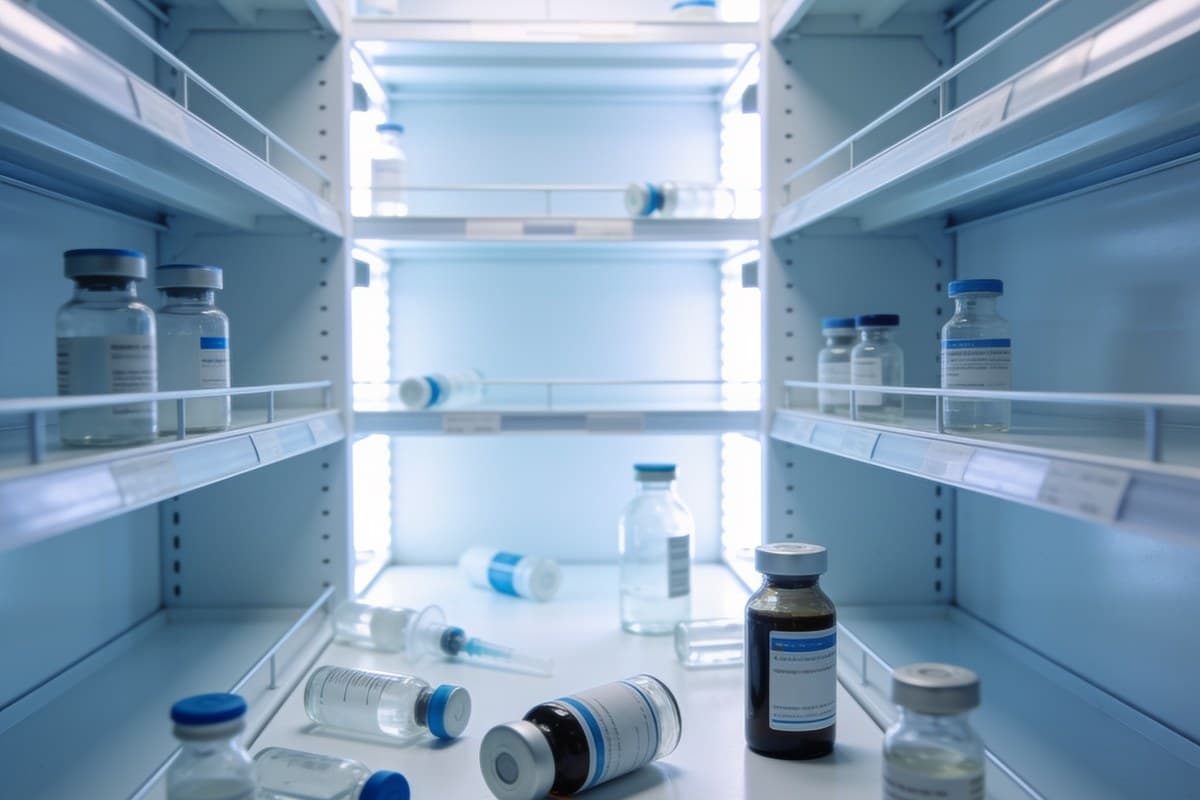
Drug shortages in the United States have risen for a third consecutive quarter, reaching 227 active shortages according to the American Society of Health-System Pharmacists — a figure that underscores persistent vulnerabilities in pharmaceutical supply chains and highlights the ongoing risks of over-reliance on single-source manufacturing. The latest data reveals that nearly half of all shortage-affected drugs have only one manufacturer, a structural fragility that continues to disrupt patient care across therapeutic areas from oncology to emergency medicine. The trend shows no signs of abating, with hospital pharmacists reporting increasing difficulty sourcing critical medications for routine and life-saving treatments.
Among the most concerning shortages is ifosfamide, a critical chemotherapy drug used to treat testicular cancer and certain sarcomas. The ifosfamide shortage exemplifies a recurring pattern in which older, generic injectable drugs — often manufactured by only one or two companies with thin profit margins — become vulnerable to supply disruptions from quality issues, raw material constraints, or production capacity limitations. For hospitals and oncology centers, these shortages force difficult decisions about treatment rationing and therapeutic substitutions that can compromise patient outcomes. Oncologists have reported cases where treatment protocols had to be modified due to ifosfamide unavailability, potentially affecting cure rates for young patients with testicular cancer.
The persistence of drug shortages despite years of policy attention reflects deep structural challenges in the pharmaceutical supply chain. Generic injectable drugs, which account for the majority of shortage-affected products, are often produced by a small number of manufacturers operating on razor-thin margins. When a single facility experiences a quality deviation, regulatory action, or raw material disruption, the entire supply of a critical medication can be affected with few alternative sources available to fill the gap. The concentration of manufacturing in a small number of facilities — sometimes a single plant — creates systemic risk that market forces alone have proven unable to resolve.
The FDA's PreCheck pilot program, launched to encourage domestic manufacturing of essential drugs, represents one policy response to these vulnerabilities. The program aims to streamline regulatory pathways for companies willing to invest in U.S.-based production of shortage-prone medications, offering expedited review processes and technical assistance to manufacturers seeking to enter or expand in the generic injectable market. However, the slow pace of progress suggests that regulatory incentives alone may be insufficient to overcome the economic realities that drive generic drug manufacturing offshore — including lower labor costs, established supply chains for raw materials, and economies of scale in countries like India and China.
For API suppliers and pharmaceutical intermediates manufacturers, the shortage crisis presents both challenges and opportunities. On the supply side, disruptions to active pharmaceutical ingredient production — particularly for complex generic injectables — remain a primary driver of shortages. Quality failures at API manufacturing facilities, whether domestic or international, can cascade through the supply chain and create months-long disruptions. The sterility requirements for injectable APIs add additional complexity, as contamination events can result in lengthy facility shutdowns and regulatory actions that extend shortage durations. This reality underscores the importance of diversified sourcing strategies and robust quality management systems across the API supply chain.
On the opportunity side, the push toward onshoring and supply chain resilience is creating new demand for domestic API manufacturing capacity. Federal biomanufacturing investment initiatives have channeled significant funding toward expanding U.S.-based pharmaceutical production, with particular emphasis on essential medicines and shortage-prone products. Companies positioned to offer reliable, high-quality API and intermediates supply from diversified manufacturing networks stand to benefit from the growing emphasis on supply security over lowest-cost procurement. The shift represents a fundamental change in how pharmaceutical companies evaluate API suppliers, with reliability and regulatory compliance increasingly weighted alongside price competitiveness.
The shortage data also highlights the critical role of sterile injectable drug manufacturing, which accounts for a disproportionate share of shortage-affected products. The technical complexity of aseptic fill-finish operations, combined with the limited number of qualified contract manufacturing organizations capable of producing these products, creates a structural bottleneck that policy interventions have yet to adequately address. CDMOs with sterile injectable capabilities are seeing increased demand from pharmaceutical companies seeking to diversify their manufacturing base and reduce single-source dependencies. Investment in new sterile injectable capacity, however, requires significant capital expenditure and lengthy facility qualification timelines, suggesting that shortages in this category will persist for the foreseeable future.
As the pharmaceutical industry grapples with the third year of escalating shortages, the message for API suppliers, intermediates manufacturers, and CDMOs is clear: reliability, quality, and supply chain transparency are becoming competitive differentiators as important as price. Companies that can demonstrate consistent quality performance, regulatory compliance, and the ability to scale production in response to demand surges will be best positioned to capture the growing emphasis on supply chain resilience. The shortage crisis is accelerating a structural shift in pharmaceutical procurement philosophy, moving from cost-optimized just-in-time sourcing toward resilience-focused strategies that prioritize supply security and manufacturing diversification.
How can we help you?
Receive insights into the latest events and regulatory updates
Sent directly to your email
Get industry insights and Unibest news here
Contact Us →