
Industry News
GSK Secures First Lung Cancer Drug Approval with Jideytro, Validating $10.6B Nuvalent Acquisition and Driving ROS1 Inhibitor API Demand
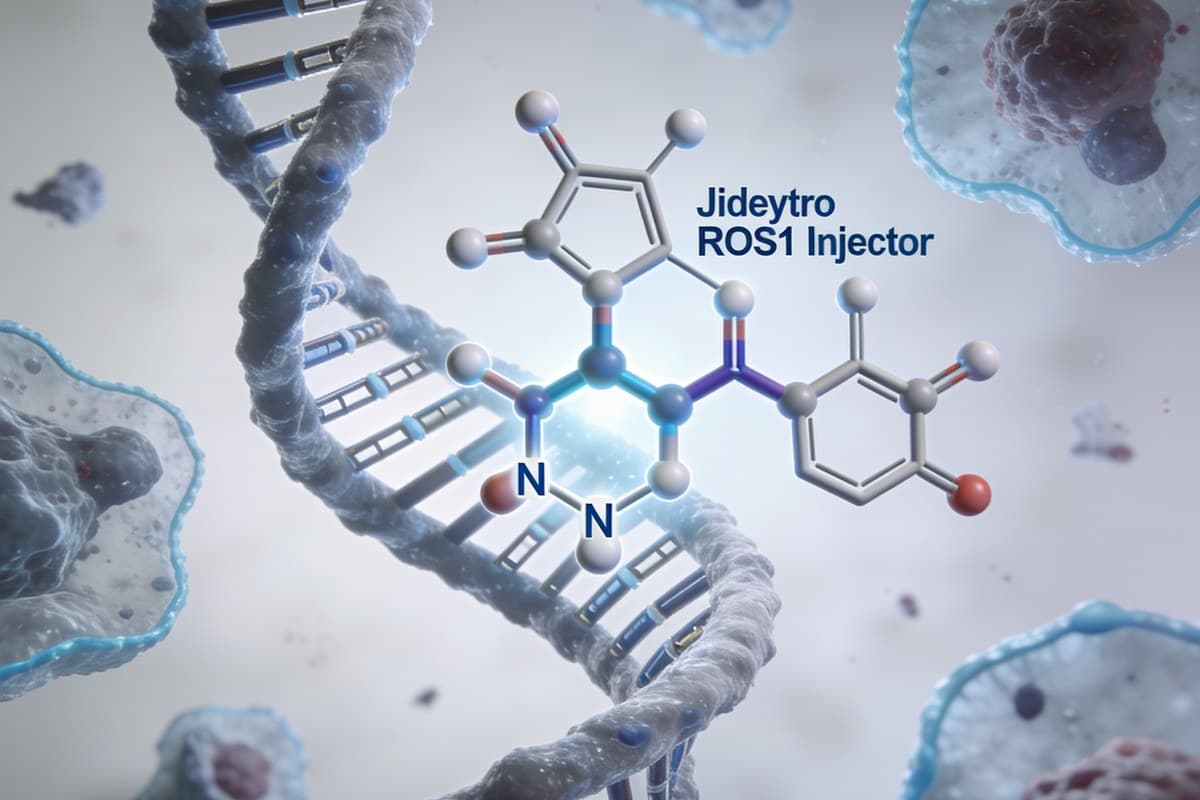
GlaxoSmithKline has achieved a landmark milestone in its years-long push into oncology with the FDA approval of Jideytro, the British drugmaker's first-ever lung cancer medicine. The accelerated approval of the next-generation ROS1 and TRK inhibitor, acquired through GSK's $10.6 billion acquisition of Nuvalent, represents the culmination of a strategic pivot that has seen GSK invest billions to build an oncology franchise capable of competing with established players like Roche, AstraZeneca, and Merck. The approval also validates GSK's bet on precision oncology and targeted small-molecule therapies as a growth engine for the company.
Jideytro targets a specific molecular subset of non-small cell lung cancer — tumors harboring ROS1 gene fusions, which account for approximately 1% to 2% of all NSCLC cases. While the patient population is relatively small, the unmet medical need is significant. Existing ROS1 inhibitors such as crizotinib and entrectinib, while effective initially, frequently lose efficacy as tumors develop resistance mutations, particularly the ROS1 G2032R solvent front mutation. Jideytro was specifically designed to address these resistance mechanisms, offering improved durability of response and a differentiated safety profile that positions it as a preferred treatment option in both treatment-naive and previously treated patients.
The speed of the FDA's review — an accelerated approval based on response rate and duration of data from the Phase 1/2 ARROS-1 trial — reflects the strength of the clinical data and the urgency of addressing resistance-driven treatment gaps in ROS1-positive NSCLC. In the pivotal trial, Jideytro demonstrated high overall response rates across multiple patient populations, including those who had progressed on prior ROS1-directed therapy. Responses proved durable in the majority of evaluable patients, with median duration of response exceeding expectations and supporting the drug's potential to become the new standard of care for this molecularly defined patient population.
For API suppliers and contract manufacturers, the approval of Jideytro creates immediate and sustained demand for a complex kinase inhibitor API. ROS1 inhibitors are structurally sophisticated small molecules that require advanced synthetic chemistry capabilities, including multi-step synthesis with precise stereochemical control, high-purity crystallization processes, and stringent genotoxic impurity management. The manufacturing complexity of these molecules typically limits the pool of qualified API suppliers to those with demonstrated expertise in oncology small-molecule production and the ability to handle potent compound containment at occupational exposure limits well below one microgram per cubic meter.
GSK's investment in Jideytro also underscores a broader industry trend toward targeted therapies that require specialized API manufacturing. Unlike traditional chemotherapy agents — which are often produced at large scale with well-established processes — precision oncology drugs like ROS1 inhibitors demand smaller production volumes but significantly higher quality standards and technical sophistication. This shift favors CDMO partners and API manufacturers with strong analytical capabilities, flexible production infrastructure, and the regulatory track record to support filings in multiple global markets simultaneously.
The $10.6 billion price tag for Nuvalent — one of the largest biotech acquisitions of 2025 — signals GSK's conviction that the ROS1/TRK inhibitor class represents a durable commercial opportunity. With Jideytro now approved for NSCLC, GSK is expected to pursue label expansions into additional tumor types where ROS1 or NTRK fusions drive oncogenesis, including colorectal cancer, cholangiocarcinoma, and other solid tumors with NTRK gene fusions. Each additional indication would expand the API demand footprint and create new opportunities for manufacturing partners who can support multi-indication production campaigns with consistent quality and supply reliability.
The competitive landscape for ROS1 inhibitors is also evolving rapidly. With multiple next-generation agents in development from companies including Pfizer, Roche, and several Chinese biotech firms, the ROS1/TRK inhibitor market is expected to grow significantly over the next five years. This competitive pressure drives innovation in both drug design and manufacturing processes, creating demand for API suppliers who can offer not just production capacity but also process optimization, cost reduction through improved synthetic routes, and the flexibility to support rapid scale-up as clinical programs advance and new indications are approved.
GSK's broader oncology strategy extends beyond Jideytro. The company has been building a portfolio of targeted therapies and immuno-oncology agents, including its B7-H3 ADC program with Hansoh Pharmaceutical, which recently reported positive Phase 3 results in lung cancer. The combination of small-molecule targeted therapies like Jideytro and novel modalities like ADCs creates a diversified demand base for API and biologics manufacturers, reducing dependency on any single program while maintaining exposure to the high-growth oncology market.
For pharmaceutical suppliers evaluating their oncology portfolios, the Jideytro approval serves as a reminder that targeted kinase inhibitors continue to be a major source of new API demand. The combination of high manufacturing complexity, stringent quality requirements, and growing patient populations makes this class an attractive segment for API manufacturers with the right capabilities. As GSK ramps up commercial production and pursues additional indications, the demand for Jideytro's API and related intermediates will only increase, creating long-term opportunities for suppliers who can meet the technical and regulatory standards required for this class of precision oncology medicines.
How can we help you?
Receive insights into the latest events and regulatory updates
Sent directly to your email
Get industry insights and Unibest news here
Contact Us →